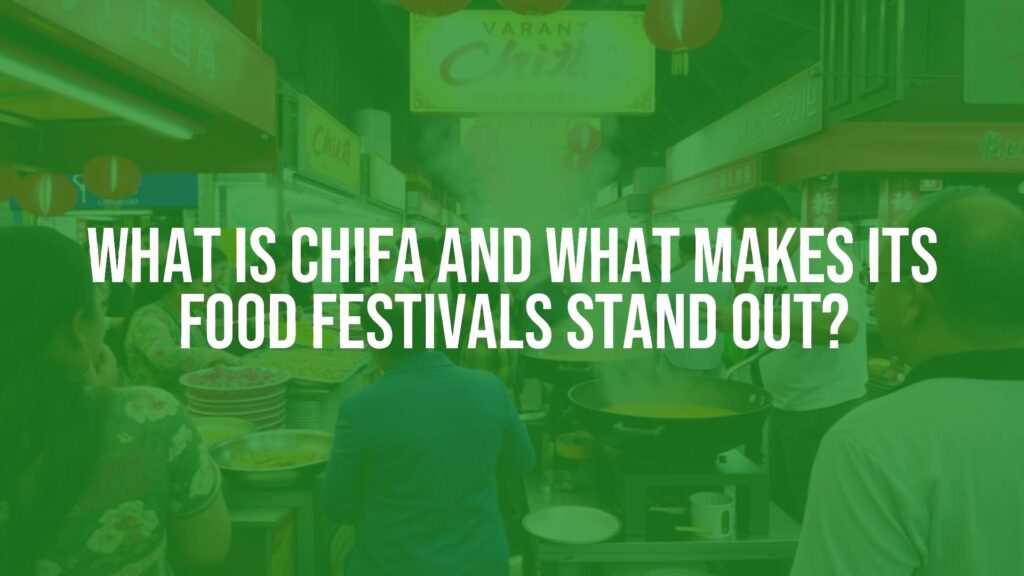
Chifa food festivals are lively events celebrating a fusion of Peruvian and Chinese cooking. Unlike ordinary food fairs, these festivals highlight a type of food that has developed for over a hundred years, mostly in Lima, Peru. The word “Chifa” is believed to come from the Cantonese “Chi Fan” or “Sik Faan,” both meaning “to eat.” Chifa is more than just a mix of ingredients-it’s a sign of how Chinese immigrants adapted, used creativity, and combined their cooking with Peruvian flavors. This makes Chifa festivals special and different from other food gatherings.

While most food festivals focus on food from just one country, Chifa events showcase what happens when two unique culinary traditions come together. At these festivals, you’ll find Chinese cooking styles, like cooking with a wok, paired with Peruvian flavors, sometimes spicy and always interesting. The result is a new way to enjoy familiar dishes, and every meal at these festivals offers something new to discover.
How Did Chifa Cuisine Start in Peru?
Chifa food began with the arrival of Chinese immigrants, mainly from Guangdong province, to Peru in the late 1800s and early 1900s. These immigrants, many working on plantations, brought their traditional recipes and cooking skills with them. Because ingredients were different in Peru, they adapted their Cantonese cooking to local foods.
While the base came from Cantonese food, other Chinese styles joined in, like healthier Hakka dishes and the use of soy and oyster sauce from Shanghainese cooking. Even some Sichuan flavors, which include herbs and spices like ginger and star anise, became part of the mix. With time, items such as soy sauce, ginger (“kion”), and green onions met local foods like Peruvian corn (“choclo”) and yellow chili (“ají amarillo”), creating something completely new. Later generations, known as Tusan, improved these dishes and kept the tradition alive.

Why Is Chifa Food Important Culturally?
Chifa is not just a way to eat in Peru-it’s linked to national identity and is very meaningful. For many Peruvians, Chifa food is comfort food that reminds them of their roots, no matter where they are. There are more than 6,000 Chifa restaurants in Lima alone, which is more than the number of Chinese restaurants in big cities like New York.
Chifa food shows how immigrants became an important part of daily life and culture in Peru. The use of Cantonese words for ingredients in everyday Spanish shows how deep this connection runs. Chifa festivals, therefore, aren’t simply about eating-they’re about celebrating the story of two cultures blending together over shared meals.
Types of Chifa Food Festivals
Chifa food festivals come in different sizes, from large national events to smaller community parties. All of them play a part in promoting and protecting this special food tradition. These gatherings give both experienced chefs and newcomers a chance to share their Chifa dishes and help visitors learn about this unique blend of flavors and history.
Thanks to this variety, Chifa festivals can reach many people. Whether the festival lasts several days or is just a part of a bigger event, the focus is on enjoying the mix of Peruvian and Chinese food.
National Festivals Featuring Chifa
There isn’t a festival only about Chifa at the national level in Peru, but Chifa is featured at the country’s biggest food event-the Mistura Food Festival. Held once a year, usually in late August or early September in Lima, Mistura is the largest food festival in South America and one of the main ones in the world. Chifa is always well represented among the many types of Peruvian food there.

Mistura draws hundreds of thousands of people who want to try both traditional and new cooking. Chifa gets plenty of attention, with chefs and vendors offering both old and modern Chifa recipes. Sometimes the festival’s theme changes to spotlight certain foods, and Chifa often benefits from this. Outside of Peru, Brazil, for example, has an annual “Festival da Comida China” dedicated to Chifa food, showing how the cuisine is gaining fans elsewhere, too.
Regional and Local Chifa Celebrations
Besides big events, Chifa is also part of smaller, local festivals and community get-togethers. The large number of Chifa restaurants in Peru suggests many neighborhoods celebrate with their own food fairs or events, including in places like Lima’s Chinatown. These smaller events are often held by local groups or restaurant owners, giving families and friends a chance to share their favorite recipes.
These local gatherings are important for keeping Chifa’s connection to the community strong. Family-run restaurants can show off what makes their food special and people can bond over shared traditions.
Chifa in Major Culinary Festivals
Major food festivals like Mistura always have a spot for Chifa as a core part of Peru’s culinary identity. Chifa often has its own section, where guests can taste different Chifa dishes, see cooking demos, and listen to experts discuss the history of these foods. This helps Chifa reach new audiences and keeps the cuisine evolving by showing both the traditional and the new.
Signature Dishes at Chifa Food Festivals
The main attraction at any Chifa festival is the food itself. These events are packed with interesting flavors created by mixing Chinese cooking and Peruvian ingredients. Guests can find both classic Chifa meals and new recipes that stretch the boundaries of the cuisine. Each dish tells the story of how different cultures came together.

Well-Known Chifa Main Courses
Some dishes are a must at Chifa festivals. The most famous is Arroz Chaufa, or Peruvian fried rice. This dish mixes several meats, sausages, and veggies for a flavor that’s richer than ordinary fried rice. Chefs may use quinoa, seafood, or special sauces to give it a modern twist.
Another key dish is Lomo Saltado, a beef stir-fry with Peruvian fries, onions, tomatoes, chili, and soy sauce, served with rice. The secret is cooking everything fast at high heat. Tallarín Saltado is a noodle stir-fry sometimes made with Chinese noodles or even spaghetti, plus ingredients like duck, bean sprouts, and peppers. Chicken lovers often enjoy Pollo Chijaukay, a crispy chicken recipe in a tasty sauce.
Chifa Street Food and Snacks
Chifa events also offer plenty of street food and snack-sized bites. Wontons, either steamed or fried, are common, giving a taste of the Chinese side of Chifa. Creative ideas like Lomo Saltado spring rolls-Lomo Saltado filling inside a crispy wrapper-show how street food can capture the spirit of Chifa. At larger events like Mistura, many “carretilleros” (food cart vendors) serve both classic and new Peruvian street foods, encouraging Chifa makers to try creative combos that fit the busy festival atmosphere.

Drinks and Desserts
Every food festival needs good drinks and sweets, and Chifa festivals are no different. While Chifa doesn’t have its own set of desserts, you’ll find traditional Peruvian treats like Picarones (Peruvian donuts with sweet syrup), Tejas (chocolate-covered sweets), churros, arroz con leche (rice pudding), and alfajores (shortbread cookies with caramel).
For drinks, the Pisco Sour cocktail is a typical choice, made from grape brandy, lime, syrup, and egg white. Non-alcoholic options include Chicha Morada, a refreshing drink made from purple corn. These add to the full Chifa food experience.
Activities and Attractions at Chifa Food Festivals
Chifa food festivals are about more than eating. They offer many ways for visitors to participate and learn. Cooking demos, cultural performances, and interactive workshops are all common. These activities make the festival more interesting and help visitors connect with the Chifa story.
Cooking Demos and Workshops
Watching skilled chefs cook is a big part of these festivals. Chefs explain how to use a wok, balance flavors, and choose the best ingredients. These demos usually feature popular dishes like Lomo Saltado or Arroz Chaufa and often include step-by-step tips for home cooks.

Many festivals also offer workshops so people can learn specific Chifa skills or recipes. You might get a chance to practice using a wok or mix Chifa-style sauces. These sessions help pass on Chifa knowledge to new cooks and food fans alike.
Cultural Entertainment
Live music, dancing, and art displays are also a feature at many Chifa festivals. These performances add energy to the event and show both Peruvian and Chinese sides of Chifa’s history. Parades and family activities help make the celebration fun for everyone, turning a food event into a larger cultural experience.
Interactive Family and Foodie Activities
There’s something for everyone, from special zones for children to tasting sessions and ingredient markets. Friendly cooking contests might challenge chefs and amateurs. Some festivals offer drink-making classes, such as Pisco Sour workshops, and give you a chance to meet local farmers who supply ingredients for Chifa.
Where and When to Find Chifa Food Festivals
If you want to experience Chifa food in its home country, Peru, and especially Lima, is the place to go. With thousands of Chifa restaurants and major food festivals, the city is at the heart of Chifa culture. However, Chifa food is spreading, with restaurants and small Chifa-themed events popping up in cities worldwide. Planning your visit around these festival dates ensures you get the full experience.
Major Cities and Venues for Chifa Festivals
Lima, Peru, is the main city for Chifa and hosts the top festivals, especially the Mistura Food Festival, which takes place in venues like Costa Verde or Parque de la Exposicion. With so many Chifa restaurants, Lima is almost always celebrating Chifa, but organized festivals offer a good chance to try many dishes in one spot.
Outside Peru, Chifa is growing in places like Brazil, which hosts the “Festival da Comida China” in several cities. In the US, cities such as Miami, New York, and Los Angeles are starting to include Chifa in multicultural or Latin American food events.
When Do Chifa Festivals Take Place?
The main event in Peru is Mistura, usually held for 10 days in late August or early September. Double check the latest festival dates on official websites before planning your trip, as festival timing can sometimes change. In Brazil, the “Festival da Comida China” happens annually, but the dates and cities may change each year. In the US and other countries, Chifa may be featured in food festivals that take place from spring to fall.
| Country | City | Event | Usual Dates |
|---|---|---|---|
| Peru | Lima | Mistura Food Festival | Late August/Early September |
| Brazil | Multiple Cities | Festival da Comida China | Varies, annually |
| USA | Miami, NY, LA | Multicultural Food Festivals | Spring to Fall (varies) |
Tips for Attending a Chifa Food Festival
To get the most from a Chifa food festival, a little planning can make a big difference. Here are some simple tips for your visit:
- Get a festival map when you arrive or check online. It will help you find all the important food stalls and stages.
- Wear comfortable shoes-there’s usually a lot of walking.
- Arrive early to avoid big crowds, especially on weekends.
- Try smaller food portions so you can sample more dishes.
How to Choose What to Eat
Start with classic Chifa dishes like Arroz Chaufa and Lomo Saltado to get a sense of what Chifa is all about. Street food stalls are great for trying new and creative ideas. Many vendors offer free samples-take advantage and taste before making your final choice. Balance savory foods with drinks like Chicha Morada or a Pisco Sour, and save room for desserts like Picarones.
Cultural Tips
- Talking with vendors and chefs, even just basic Spanish, can lead to better suggestions and a friendlier experience.
- Carry small amounts of cash, since some stalls are cash only.
- Help out by using reusable water bottles or picking stalls that use less plastic.
- Share tables if it gets crowded and join in the festive atmosphere.
The Impact of Chifa Festivals on Culture and Tourism
Chifa food festivals do more than just feed people. They strengthen local culture, encourage tourism, and support the economy. They help tell Peru’s story and show that food is an important part of national pride. By giving chefs and small businesses a chance to shine, these festivals encourage both tradition and creativity in cooking. They help keep Chifa recipes alive for future generations.
Festivals like Mistura also bring in big crowds, helping hotels, shops, and local farmers. With more people trying Chifa, interest in Peru as a travel and food destination grows, giving lasting benefits to the region.
Frequently Asked Questions (FAQ)
Are Chifa Food Festivals Good for Vegetarians?
Although lots of Chifa dishes contain meat, festivals now often have vegetarian options. You can find meatless Arroz Chaufa or Tallarín Saltado, and Peruvian food in general has plenty of veggie dishes. Ask food stall workers for vegetarian choices-they’ll usually be able to help.
How Do You Buy Tickets for Chifa Festivals?
For big events like Mistura, buy tickets online from official festival websites or at ticket booths on site. Weekend tickets might cost more. For small local events, you might just pay at the door or there may be no entry fee at all. Always use official sources to avoid fake tickets.
What Should First-Time Visitors Expect?
Chifa food festivals are busy, cheerful, and full of great smells and sounds. Expect lots of different food stalls, live shows, and crowds. Wear comfy shoes and bring cash for smaller purchases. Drink plenty of water, sample small portions, and enjoy exploring the many flavors of Peruvian-Chinese food. Most of all, keep an open mind and be ready for a fun and tasty experience.
