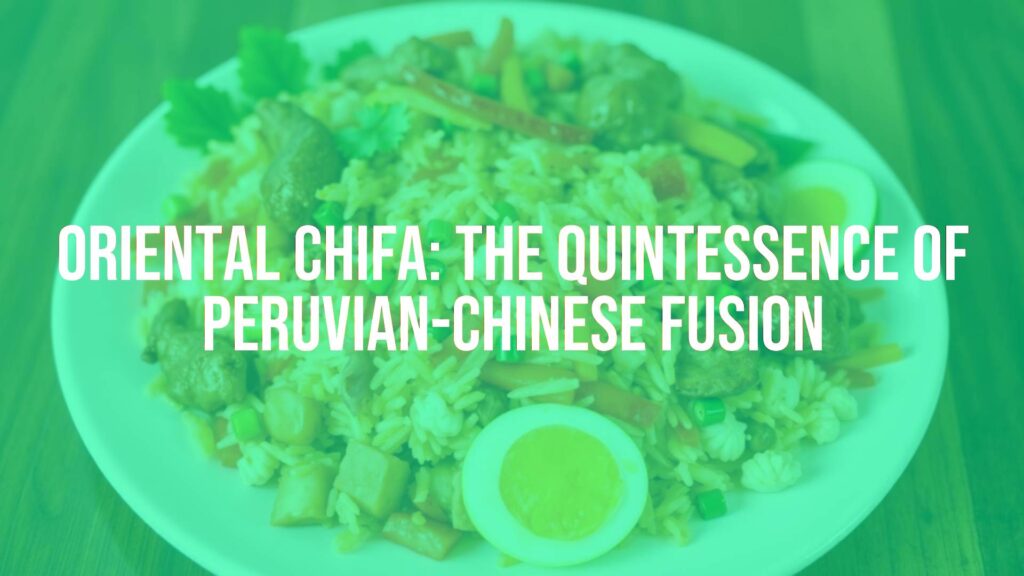
Understanding “Oriental Chifa” in Peruvian Cuisine
The phrase “Oriental Chifa” serves as a window into the fascinating world of Chifa cuisine—a truly unique culinary tradition born from the fusion of Chinese and Peruvian flavors. While “Chifa” broadly refers to the entire spectrum of Peruvian-Chinese food, in many local contexts, the menu item “Oriental Chifa” denotes a signature mixed rice or noodle dish, typically prepared to showcase the essence of this fusion style. This article explores the roots, ingredients, and cultural impact of Oriental Chifa as both a dish and a culinary concept.
The Origins and Evolution of Chifa
Chifa cuisine developed in Peru beginning in the late 19th and early 20th centuries, as Chinese immigrants blended their Cantonese food traditions with native Peruvian ingredients and tastes. Over generations, Chifa became immensely popular, with “Oriental Chifa” often symbolizing the harmonious blend of East Asian techniques and local culinary sensibilities. While the word “oriental” simply references the Asian origins of the cuisine, its use in Peru has become shorthand for mixed Chinese-Peruvian classics that are widely loved and available across the country.
Key Components of Oriental Chifa Dishes
Dishes labeled as “Oriental Chifa” generally encapsulate the best of both worlds. Common ingredients include rice or noodles, proteins such as chicken, pork, shrimp, or beef, and an array of fresh vegetables like peppers, scallions, and bean sprouts. Soy sauce, oyster sauce, ginger, and garlic form the backbone of the umami-rich sauces used to bring depth and character to these dishes. Many versions may be enhanced with Peruvian touches—like the use of ají amarillo (yellow chili pepper), cilantro, or local vegetables—giving Oriental Chifa a distinctive taste profile not found in traditional Chinese food.
Preparation and Presentation
Oriental Chifa dishes are typically cooked over high heat, often in a wok, resulting in a smoky aroma and slightly crisped ingredients. Stir-frying allows for flavors to meld quickly, creating vibrant, colorful plates perfect for sharing. Customization is also common; diners can often request additional proteins, extra vegetables, or varying levels of spice to suit personal preferences. This adaptability contributes to the enduring popularity of Oriental Chifa both in restaurants and in home kitchens across Peru.
Enjoying Oriental Chifa: Traditions and Occasions
Oriental Chifa is a staple at family gatherings, friendly get-togethers, and casual lunches. Served hot and fresh, these dishes are commonly enjoyed alongside other Chifa favorites such as wantan soup, spring rolls, or chaufa. Sharing is integral to the experience, reflecting both Peruvian hospitality and Chinese communal dining customs. Whether as a weekday comfort food or a special treat, Oriental Chifa holds a cherished place in Lima’s culinary scene and beyond.
Nutritional Considerations
Depending on the cooking method and ingredient choices, Oriental Chifa can be a balanced meal offering proteins, carbohydrates, and vegetables. Opting for lean meats, extra vegetables, and lighter sauces can make dishes healthier, while those with dietary restrictions, such as celiac disease, should be aware of the presence of soy sauce (which often contains gluten) and request alternatives if needed. Many Chifa establishments now offer adaptations for different dietary needs.
Cultural Significance
Oriental Chifa exemplifies Peru’s inclusive and innovative food culture, illustrating how immigrant communities have shaped the nation’s palate. It is not only a popular menu item but also a living testament to the enduring connections between Asia and Latin America. Whether enjoyed on bustling Lima streets or recreated at home, Oriental Chifa remains a delicious bridge between worlds and an ever-evolving favorite in Peruvian cuisine.
