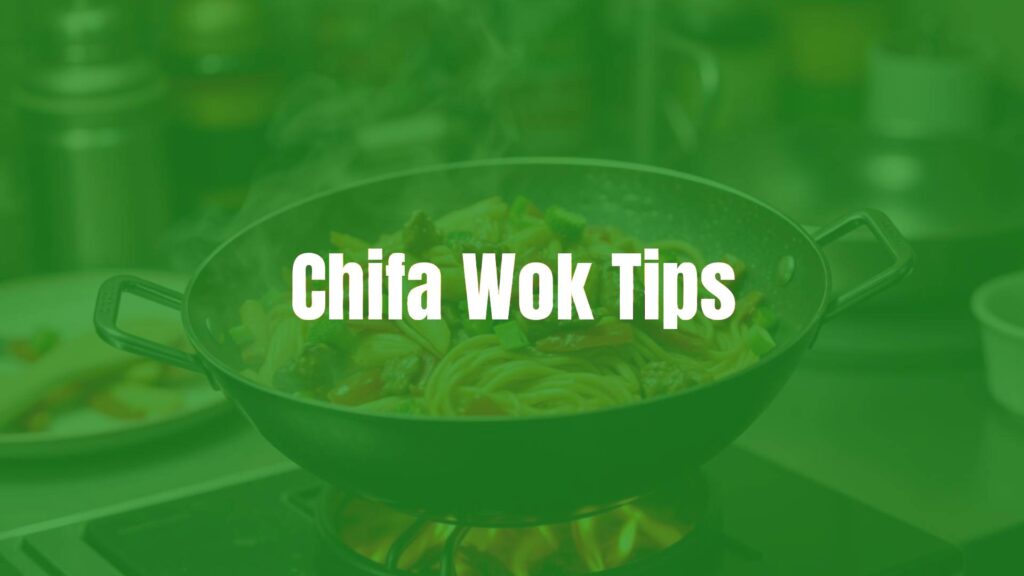
Chifa wok cooking is a lively style of food that combines Chinese and Peruvian influences. Using a wok lets you make Chifa dishes with strong flavors and great textures. If you want to bring Chifa flavors into your own kitchen, learning how to use a wok is an important first step. This guide shares practical steps and advice to help you make your Chifa wok meals taste authentic and have the right texture every time.
What Is Chifa Wok Cooking?
Chifa wok cooking comes from combining Chinese cooking traditions with Peruvian ingredients. It started when Chinese immigrants, mostly from Cantonese areas, arrived in Peru in the late 1800s and early 1900s. They changed traditional Chinese recipes to include local foods, leading to new and unique dishes. You’ll find plenty of stir-fries, rice meals, and noodle plates that have the smoky taste from the wok and the bold, sometimes spicy, flavors of Peru.
This fusion style takes familiar Chinese cooking and adds a Peruvian spin. Soy sauce and ginger meet aji amarillo or cilantro, beef and potatoes get stir-fried with new flavors, and it all comes together in the wok. The wok enables quick cooking and helps layer these flavors perfectly.

How Does the Wok Play a Role in Chifa Cooking?
In Chifa cooking, the wok is more than just a pan. Its deep, sloped sides let you cook quickly, easily toss ingredients, and handle high heat. This fast and even cooking is key, especially for stir-fries. The wok lets you create “wok hei,” a slightly smoky, charred flavor that’s famous in both Chifa and Chinese food.
The wok is also good for deep-frying and mixing ingredients without spills. Its shape helps cook food fast without overcooking, so meats stay juicy and vegetables stay crisp and colorful. This style also helps keep more of the nutrition and bright colors in your food. In Chifa kitchens, the wok is the main tool for making dishes that taste fresh and boldly flavored.
Which Wok Should You Use for Chifa Dishes?
Choosing the right wok is very important for getting the real Chifa taste and texture. The right material, size, and shape matter. Think of your wok as an extension of your hand – it should be comfortable, heat up well, and last a long time. A good-quality wok is worth it, lasting years and improving how your food turns out.
Wok Types: Materials, Sizes, and Shapes
Carbon steel woks are usually best for Chifa dishes. They get hot fast, are strong, and become more non-stick the more you use and season them. Cast iron woks are also possible but are heavier, which makes tossing food harder. Stainless steel woks can last but don’t heat as well and don’t develop the same flavor profile. Nonstick woks aren’t a good idea for high-heat cooking, as their coating will wear off and they won’t develop natural seasoning.
For size, 12 to 14 inches wide is a good range for most kitchens; larger woks are harder to handle and may not work well on a home stove. A round-bottomed wok works best on strong gas stoves, while a flat-bottomed wok is better for common home stovetops like electric or coil models-it sits securely and gets heat evenly. Flat-bottomed woks are easier to use in most home kitchens and still cook Chifa dishes well.
| Material | Pros | Cons |
|---|---|---|
| Carbon Steel | Heats fast; builds seasoning; light | Rusts if not cared for |
| Cast Iron | Holds heat well; durable | Very heavy; slow to heat |
| Stainless Steel | Easy to clean | Doesn’t heat evenly; no patina |
| Nonstick | Easy clean-up | Can’t use high heat; not durable |

Best Wok Features for Chifa Stir-Fries
Look at the handles too. Some woks have one long handle, others have two small loop handles. A long handle makes tossing easier, while two loops are useful for lifting. For stir-frying, a long handle works best. Some woks have lids, which makes them more versatile for steaming or braising. Choose a wok that feels right in your hands, heats up fast and evenly, and is made from carbon steel if you can. Good woks don’t have to be expensive and can last for years.
How to Prepare Ingredients for Chifa Wok Cooking
Getting everything ready before you start is the key to wok cooking. Once you start, things move quickly, so nothing should be left to prepare while you cook. “Mise en place”-having everything ready and within reach-makes the cooking process much smoother and less stressful.
Wash, chop, slice, marinate, and organize all ingredients before turning on the stove. Line things up like musicians ready for their parts. This careful setup helps keep everything moving quickly and prevents burning or uneven cooking.

Tips for Prepping Proteins, Vegetables, and Sauces
- Proteins: Cut meat, chicken, or seafood into even, bite-sized pieces so they cook at the same rate. For beef, slice across the grain for tenderness. Marinate proteins at least 15 minutes for flavor and juiciness. Store in the fridge until you’re ready to cook.
- Vegetables: Also cut veggies evenly. Harder vegetables like carrots may need smaller pieces or to go into the wok first. Aromatics like garlic and ginger should be minced, kept close by, and added at the right moment. Avoid chopping vegetables prone to browning until ready to cook, or keep them in water if needed. Dry leafy greens completely after washing.
- Sauces: Mix all sauce ingredients before you begin. If your sauce has cornstarch, stir before adding to prevent settling. Having sauces ready lets you focus on cooking.
Which Oils and Sauces Are Best for Chifa Wok Dishes?
The oils and sauces you choose affect how your dish tastes and cooks. The correct oil stands up to high heat without burning, while sauces provide the special mix of Chifa flavors-combining rich Asian sauces with bright Peruvian accents.
Choosing the Right Oil for High-Heat Cooking
Pick oils with a high smoke point for wok cooking. Good options include grapeseed oil, peanut oil, canola oil, and vegetable oil. Peanut oil adds a light, nutty flavor but can spoil faster, so buy small bottles unless you use it regularly. Avocado oil also works but costs more. Do not use olive oil or sesame oil for high-heat cooking-they will burn and taste bitter. Save sesame oil for finishing at the end.
| Oil | Smoke Point (°F) | Flavor |
|---|---|---|
| Grapeseed | ~420 | Neutral |
| Peanut | ~450 | Light, nutty |
| Canola/Vegetable | ~400 | Neutral |
| Avocado | ~500 | Mild |
| Olive/Sesame | ~350 | Distinct, can burn easily |
Popular Chifa Sauces for Wok Dishes
Chifa sauces blend Asian basics and Peruvian touches. Most start with soy sauce (both light for salt and dark for color), some vinegar, and a little sugar. You’ll also often use Shaoxing wine or sherry, and cornstarch to make sauces glossy.
Peruvian ingredients like aji amarillo paste, rocoto paste, or lime juice give a spicy or tangy bite. Hoisin or oyster sauce can make things richer or add extra umami. For Lomo Saltado, beef broth, tomatoes, and red onions join the mix. Mix your sauce before you start to speed things up and let the flavors blend evenly.

Techniques for Successful Chifa Wok Cooking
For Chifa wok cooking, knowing a few core techniques is just as important as having the right tools. The wok needs high, steady heat and quick cooking. Once you’re comfortable, you can get great flavor and texture each time.
What Is the Ideal Heat and Cooking Order?
Always preheat your wok until it starts to smoke before adding oil or food. High heat sears food quickly and is needed for the right flavors and textures. Keep the heat up during cooking. Start with tough or slow-cooking ingredients, like meats and dense veggies. Add aromatics like garlic and ginger next to release their flavor. Softer vegetables or seafood go in last since they cook quickly. The goal is to finish with everything just cooked and fresh.
How Does Stir-Frying Build Chifa Flavors?
Stir-frying over high heat gives dishes a smoky, slightly charred “wok hei” flavor. Fast cooking also keeps meats juicy and veggies crisp. Tossing food in the curved wok spreads heat and sauce evenly. This helps build up flavor while keeping ingredients tender and bright.

Should You Deep Fry or Braise in a Wok for Chifa?
The wok is great for both deep-frying and simmering dishes. Its shape uses less oil when deep-frying and helps spread heat evenly. For braises, the wide top lets sauces reduce fast for stronger flavor, and stirring or pouring is easy. This means one wok can make a lot of different Chifa recipes, from fried fish to saucy beef.
Why Is Preheating the Wok Important?
Preheating is the most important part of using a wok. A hot wok stops food from sticking, helps build up natural seasoning, and sears food fast for better flavor. Always heat your wok until it just starts to smoke before adding any oil or food.
Common Mistakes and How to Avoid Them
Even with a good wok and fresh ingredients, a few common mistakes can spoil your meal. Cooking too much at once, not keeping things dry, or adding food in the wrong order can cause problems. Knowing how to spot and fix these helps you get better results.
Why Should You Never Overcrowd the Wok?
If you fill the wok too full, it cools down and food steams instead of searing. Veggies go limp and meat turns gray and tough. Always cook in smaller batches so each piece gets hot, browns well, and builds that smoky flavor. This may take more time, but makes every batch taste better.
Managing Moisture and Preventing Soggy Results
- Dry Ingredients: Make sure all food is dry before cooking. Use towels or a salad spinner for greens.
- Cook in Batches: Don’t crowd the wok-small amounts at a time cook faster and brown better.
- Use High Heat: Hotter wok lets moisture cook off fast, keeping food crisp.
- Add Food in Order: Put in items that release a lot of water later, to avoid sogginess.
- Use the Right Tools: A wok spatula or spoon helps move food quickly and spread it out for even cooking.
Popular Chifa Wok Recipes to Try at Home
With these tips, you’re ready to try real Chifa recipes in your kitchen. These classic dishes show off what makes Chifa special-a mix of cultures and flavors that turns simple ingredients into something exciting. As you practice, you can also make the recipes your own by swapping ingredients and trying new combinations.
Classics: Arroz Chaufa and Tallarín Saltado
- Arroz Chaufa: This is Peru’s version of Chinese fried rice. Cold, leftover rice is best. It’s mixed with scallions, eggs, meat or seafood, soy sauce, and sometimes Peruvian chilies. Frying the rice in the wok adds a smoky flavor. Use day-old rice for the best texture.
- Tallarín Saltado: This noodle dish uses beef or chicken, onions, tomatoes, bell peppers, and thick noodles in a savory sauce with soy sauce, vinegar, and maybe aji amarillo. High heat adds flavor to the noodles and keeps veggies crisp.

Tips to Make Chifa Recipes Your Own
- Protein Choices: You can use chicken, shrimp, beef, pork, or tofu. Just change cooking times to avoid overcooking.
- Vegetables: Try broccoli, peppers, cabbage, or carrots-add in order of how fast they cook.
- Spice Level: Use more or less chili paste to suit your taste. A splash of chili oil can add extra heat.
- Sauces: Start with soy sauce and vinegar, but try adding oyster sauce, fish sauce, or lime juice for a change in flavor.
- Peruvian Additions: Toss in cilantro, huacatay (Peruvian black mint), or thin potato slices for more of a fusion feel.
Chifa is easy to adjust to what you have or like, making it fun to experiment and create new dishes with the same basic methods.
Cleaning and Maintaining Your Wok After Chifa Cooking
Taking care of your wok is part of cooking good food. With the right care, a carbon steel wok gets better the more you use it. If you don’t take care of your wok, it can rust or lose its natural non-stick layer. Clean and season it regularly so it lasts longer and gives your meals better flavor.
How to Season and Store Your Wok
- Seasoning: New carbon steel woks need to be seasoned-heat them until they smoke, rub them with oil, and cook some aromatics to build up the first layer. This takes about 20 minutes the first time.
- Cleaning: After using, wash the wok with hot water and a soft sponge, not soap or steel wool (unless you need to remove rust). Dry it on the stove, then wipe with a thin coat of oil to prevent rust.
- Storing: Store in a dry place, lightly oiled. If you won’t use it for a while, add a little more oil and avoid putting other pans inside, which can scratch the surface.
Preventing Rust and Saving Flavor
Rust happens if moisture sits too long or if the seasoning wears away. Dry the wok well after cleaning, use oil to seal out air, and keep an eye out for any rust spots. If you see rust, scrub lightly and re-season. Keeping the seasoned layer helps add flavor to every dish and stops sticking.
Frequently Asked Questions About Chifa Wok Tips
Starting out with wok cooking can seem confusing, especially if you have different types of stoves or pans. These common questions will help you get good results and make Chifa meals at home with confidence.
Is a Gas Stove Needed?
A strong gas stove works best and makes it easier to get the smoky “wok hei” flavor, but it’s not absolutely needed. Even if your stove has less power, you can still make good wok dishes-just cook in smaller amounts at a time so the wok stays hot.
How to Cook Chifa-Style on an Electric Stove?
- Use a flat-bottomed wok for better contact with the heating element.
- Heat the wok as much as you can-wait until it smokes before cooking.
- Cook food in small batches so the wok stays hot.
- Let food sit on the hot surface a moment to get a good sear before tossing.
- Stick with high smoke point oils.
You may not get the same smoky taste as on a strong gas stove, but you will still get nice searing and good texture.
Can You Use a Nonstick Wok for Chifa?
- Nonstick woks are not ideal. High heat damages the coating, and you won’t get the same flavor or patina.
- Nonstick surfaces don’t build up seasoning. Traditional wok flavors are missing.
- Nonstick coatings can scratch, especially if you use metal utensils. Carbon steel woks last much longer.
For best results, stick to a carbon steel wok for your Chifa dishes. It works better, lasts longer, and gets better over time.
