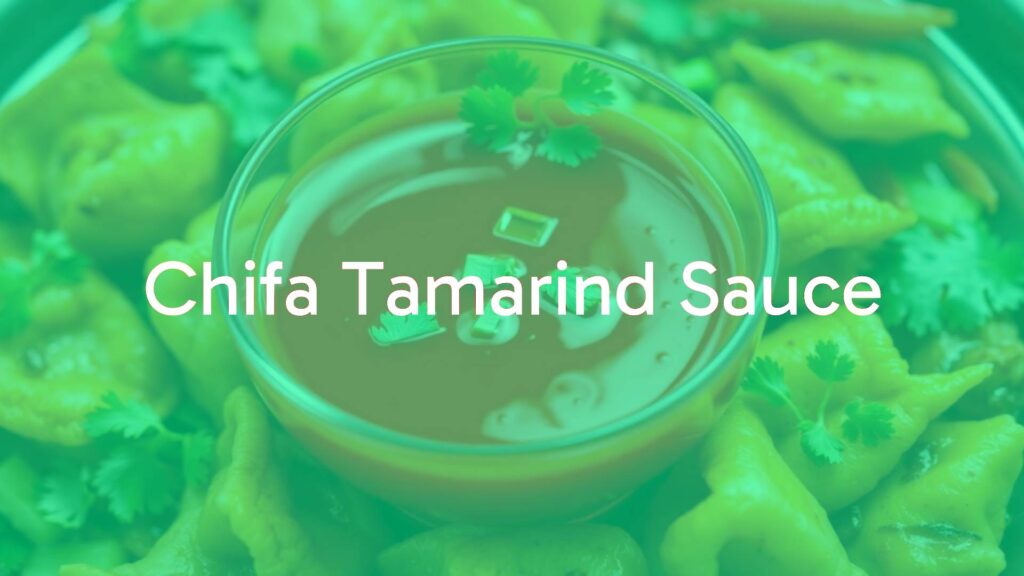
Chifa tamarind sauce is a bright, tasty condiment that shows the mix of Chinese and Peruvian foods, called Chifa cuisine. It brings together sweet, sour, and salty flavors, sometimes with a touch of heat. You can use it over crispy wontons or in stir-fry dishes, and it’s a favorite in Peruvian-Chinese cooking. Chifa tamarind sauce gives both bold and comforting flavors, showing how different cultures can come together to create a much-loved staple.

What Is Chifa Tamarind Sauce?
Chifa tamarind sauce is mainly a sweet-and-sour sauce with a tangy taste from tamarind fruit. It’s a key part of Chifa cooking, which blends Chinese and Peruvian flavors. This sauce is more than just something on the side; it often steals the show and upgrades any dish it’s added to. Chifa tamarind sauce also highlights the history of Chinese immigrants in Peru and the creative meals that grew from mixing new and old-fashioned ingredients.
Origins of Chifa Cuisine
Chifa cooking started with Chinese immigrants, mostly from Canton, who came to Peru in the 1800s. They brought their ways of cooking, such as using woks for stir-frying and bamboo baskets for steaming. Common ingredients included ginger, soy sauce, and green onions. As they settled, especially in Lima’s Chinatown, these immigrants started using Peruvian ingredients in their traditional recipes. Over decades, this mix created Chifa cuisine. Today, Lima has around 6,000 Chinese restaurants-more than twice as many as New York City. For most Peruvian families, Chifa food is a favorite for gatherings, showing how strongly it’s become part of local life.

The Role of Tamarind Sauce in Chifa Cooking
Tamarind sauce is important in Peruvian-Chinese cooking, joining the two food styles. While traditional Chinese food has sweet-and-sour sauces, Chifa’s version stands out because of tamarind’s strong, fruity tartness. This gives the sauce a special taste you can’t find elsewhere. You’ll often see it with fried wontons, as the sauce’s sharp taste balances the rich dough. Almost every Chifa restaurant has its own way of making this sauce, with special recipes kept in the family or passed down, showing how important it is in their food. It’s not just a dip; it plays a main part in many classic Chifa dishes.
Which Ingredients Are Used in Chifa Tamarind Sauce?
Chifa tamarind sauce has a deep flavor but its basic ingredients are not complicated. While every cook might have their own twist, a few main items give the sauce its classic sweet, sour, and salty taste.
Main Ingredients
The main ingredient is tamarind, a fruit known for both its sweet and very sour pulp. In traditional recipes, fresh tamarind pods are boiled and strained to get the pulp, but tamarind paste is a simple and popular alternative. Other usual ingredients are brown sugar (for deeper sweetness), ginger, and garlic for flavor and smell. Many recipes use ketchup to give it a reddish color and a slight tomato taste. Cornstarch thickens the sauce and gives it a glossy finish. Some people add aji amarillo (a mild yellow chili from Peru) or other mild chilies for some heat. Soy sauce isn’t always used in the sauce itself but might be added in small amounts for extra flavor.
| Ingredient | Purpose |
|---|---|
| Tamarind (pods or paste) | Main flavor, provides sweet and sour |
| Brown sugar | Adds sweetness |
| Ketchup | Color and slight tomato flavor |
| Ginger | Aromatic and depth |
| Garlic | Aromatic and depth |
| Cornstarch | Thickens the sauce |
| Aji amarillo or chili | Optional, adds mild heat |
| Soy sauce | Optional, adds saltiness and umami |

Swaps and Variations
There are many ways to change the recipe. If you don’t have fresh tamarind, tamarind paste works well and makes the sauce darker. Sometimes, honey or orange juice is used instead of sugar for different sweetness. In some restaurants, for ease or to save money, the base might be mostly ketchup and sugar with a few fresh ingredients to copy the tamarind taste. For a spicier sauce, add more chili. Soy sauce can be used in small amounts for more depth if desired. Since cooks often change the balance of sweet, sour, and spicy, there’s no single “right” way-the sauce can be different every time.
What Does Chifa Tamarind Sauce Taste and Feel Like?
Chifa tamarind sauce’s charm comes from how its different flavors blend together. Getting to know its taste and texture helps you see why it’s an important part of Chifa food.
Flavor: A Mix of Sweet, Tangy, and Salty
The main thing you’ll notice is the sharp, sweet-and-sour tamarind flavor, balanced quickly by sugar. This push and pull between sugary and tart is a bit like Asian sweet-and-sour sauces, but the extra fruity taste of tamarind makes it special. Then you have the tastiness from garlic, ginger, and sometimes a hint of soy sauce. The sauce is made to wake up your taste buds and get you ready for the food that comes next.
How It Compares to Other Tamarind Sauces
| Type | Main Features | How Chifa Sauce Is Different |
|---|---|---|
| Indian Tamarind Chutney | Spicier, uses Indian spices, often thicker | Chifa sauce is smoother, less spicy, more aromatic with ginger and garlic |
| Thai Tamarind Sauces | Very sour, often used in stir-fries, uses fish sauce for umami | Chifa sauce not as sour, usually no fish sauce, often includes ketchup |
| Mexican Tamarind Sauces/Candies | Sour and spicy, often used for drinks or snacks | Chifa sauce is made mainly for savory dishes |
Chifa tamarind sauce is unique because it blends Chinese and Peruvian style, making something you won’t find in other cuisines.
Where Is Chifa Tamarind Sauce Used?
This sauce isn’t just for dipping; it takes center stage in many much-loved Chifa dishes, working well with both fried foods and stir-fries.
Classic Dishes with Chifa Tamarind Sauce
- Kam Lu Wantan: A stir-fried dish with different meats (like chicken, pork, shrimp), pineapple, and veggies-everything is covered with tamarind sauce and served with crispy wontons, perfect for dipping.
- Pollo Ti Pa Kay: Fried chicken breast pieces in ginger, five-spice powder, and tamarind sauce, giving it a sweet-and-sour flavor.
- Fried Wontons: Often served as starters with a bowl of tangy tamarind sauce on the side.

Some new-style Chifa sauces use tomato, vinegar, and sugar in place of real tamarind, but versions with tamarind have the best flavor.
Other Uses in Chifa Restaurants
You’ll often see Chifa tamarind sauce on tables as a dipping sauce, much like ketchup or soy sauce in other places. It goes well with fried spring rolls, egg rolls, fried rice, or stir-fried noodles. It helps boost both rich and fresh flavors, so many restaurants try to add fresh ingredients even if starting with a store-bought base.
How Can I Make Chifa Tamarind Sauce at Home?
Making your own Chifa tamarind sauce is straightforward and lets you adjust the flavor however you like. Homemade always tastes fresher than store-bought. Here’s how you can do it:
How to Prepare Chifa Tamarind Sauce: Step by Step
- Get your tamarind ready: If using fresh pods, peel and boil them in about 2 cups of water for 5 minutes. Strain out the pulp, removing seeds and fibers. If using paste, mix about 3 teaspoons in a bit of water.
- Start the base: In a pot, heat 1 tablespoon oil. Add minced ginger and garlic, cooking them for about 2 minutes until they smell good.
- Add liquids and sugar: Pour in the sugar and tamarind water (or dissolved paste). Boil, then simmer for about 2 minutes.
- Thicken the sauce: Mix 1 teaspoon cornstarch in a bit of cold water. Stir this into the boiling sauce. Keep stirring until it thickens as you like.
- Finish: Turn off the heat, move the sauce to a bowl, and let it cool before serving.

Tips for a Real Chifa Flavor
- Balance the tastes: Taste as you make it. If you like less sour, add more sugar; for more tang, add less sugar. A little soy sauce can also help with depth, and a pinch of salt lifts every flavor.
- Control the heat: Add a small amount of aji amarillo or other mild chili for warmth without making it too spicy.
- Adjust the thickness: If it’s too runny, add more cornstarch (mixed first in cold water). If it’s too thick, stir in a little hot water.
- Strain well: Make sure the tamarind is free from seeds and nothing stringy to keep the sauce smooth.
Serving and Presentation Suggestions
Chifa tamarind sauce is a flexible condiment that can brighten many types of meals. Its look and taste can make any dish more inviting.
How to Serve Chifa Tamarind Sauce
- As a dip: Great for fried foods like wontons, spring rolls, or even chicken nuggets.
- As a sauce: Pour it over dishes like Kam Lu Wantan so it covers all the meats and vegetables.
- With rice or noodles: Drizzle on fried rice or stir-fried noodles for added flavor.
- As a glaze: You can brush it on roasted meats or use it in place of other sweet-and-sour sauces.
Ideas for Plating Chifa Dishes
- Highlight contrast: Lay crispy wontons on a platter and spoon the saucy stir-fry on top.
- Garnish: Top with chopped green onions and sesame seeds for color and extra flavor.
- Serve sides separately: If you serve with fried rice, keep the rice separate from the saucy part on the plate for a neat look.
- Glossy finish: Make sure the sauce coats the food well-it looks and tastes better this way.

Frequently Asked Questions About Chifa Tamarind Sauce
People often have questions about how to keep and use Chifa tamarind sauce. Here are some quick answers:
| Question | Answer |
|---|---|
| Can you store Chifa tamarind sauce? | Yes, you can. Once cool, put it in a sealed container to keep it fresh. |
| How long does it last? | Kept in the fridge in a sealed container, homemade sauce usually lasts a few weeks. If you see mold, odd colors, or it smells bad, throw it out. You can also freeze it in small portions for several months. |
| Is it vegan or gluten-free? | The basic recipe with tamarind, sugar, ginger, garlic, ketchup, and cornstarch is usually vegan. For gluten-free, use gluten-free soy sauce or tamari if adding soy sauce. Always check packaged ingredients for any unwanted extras. |
