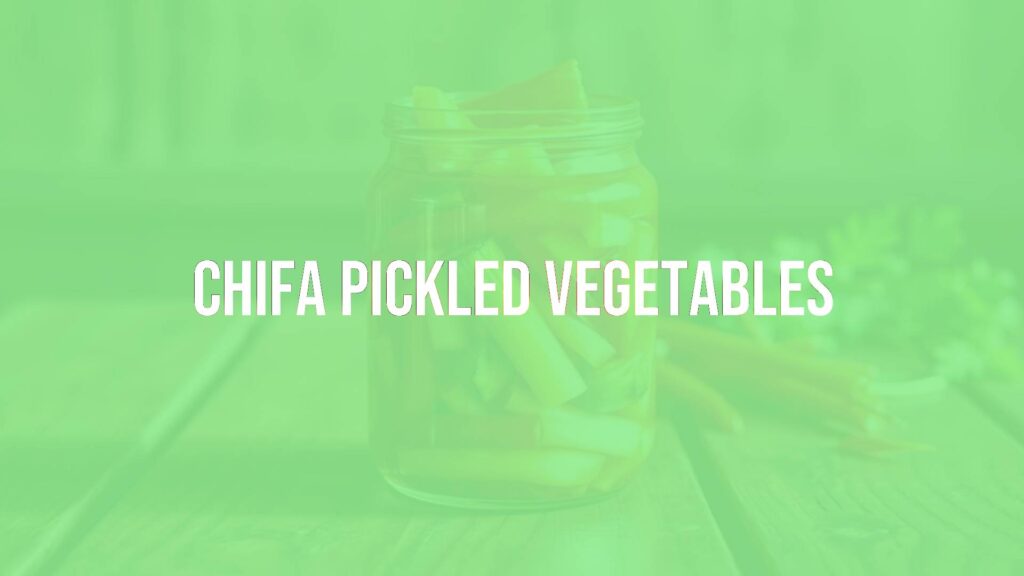
Chifa pickled vegetables are colorful, tangy, and crunchy, and they bring together Chinese and Peruvian food traditions. The term “Chifa” refers to the style of cooking that Chinese immigrants developed in Peru, where they blended Chinese techniques and ingredients with Peruvian flavors and local vegetables. Pickled vegetables themselves come from Chinese cuisine, where pickling has long been important. These pickles provide a fresh, zippy taste and a crispy bite that work well with hearty dishes or even on their own.
These pickles are easy and flexible to make at home. Anyone can prepare a batch, whether you cook all the time or are just starting out. They’re much more than just a side-they show how two food cultures can combine to create something delicious. Next, let’s look at how Chifa pickled vegetables came to be, which ingredients make them special, and how you can try making them in your own kitchen.
What Are Chifa Pickled Vegetables?
Chifa pickled vegetables come from mixing Chinese pickling styles with the produce and flavors found in Peru, thanks to the Chifa fusion cuisine. The Chifa tradition started when Chinese immigrants moved to Peru in the late 1800s and early 1900s and began adjusting their familiar dishes to the ingredients they found locally. Pickling was already important in Chinese kitchens as a way to preserve vegetables and add flavor, so it naturally became part of Chifa food too.

Instead of being extra sour or salty, Chifa pickles often try for a balanced blend of tangy, sweet, and just a bit of savory flavor. They are made to be pleasant and refreshing, standing up to hearty meals and serving as a tasty palate cleanser. These pickles don’t just preserve vegetables; they help make meals more interesting because of their lively taste and crunchiness.
Origins of Chifa Cuisine and Pickling
The Chifa food story is about cultures meeting and adapting. Chinese immigrants brought their cooking, including pickling skills, to Peru. In China, pickling keeps vegetables safe to eat during months when fresh food is scarce, and it boosts flavor. Different regions in China use a range of pickling methods-some are spicy, others are salty or sour.
Arriving in Peru, these cooks found new kinds of vegetables like Peruvian chilies, potatoes, and meats to combine with their traditional Chinese ingredients. Pickled vegetables changed to match Peru’s tastes, usually with a sweeter, lighter, and more fragrant brine. These changes rely on local flavors but still keep that crunchy texture and exciting tang that make Chinese pickles so appealing.
What Makes Chifa Pickled Vegetables Unique?
Chifa-style pickled vegetables stand out for a couple of big reasons:
- Balancing Flavors: Unlike other pickles that might be very sour or salty, Chifa pickles are typically sweet, tangy, and sometimes a bit spicy. This subtle blend works with many dishes.
- Crispy Texture: The crunch is important. Steps like salting vegetables first help keep them firm even after time in the brine. Choosing firm, fresh vegetables also helps. Ingredients like ginger, garlic, and chili give the pickles a fragrant punch, making them an exciting condiment, not just a preserved food.
What Vegetables Go Into Chifa Pickled Vegetables?
The type of vegetables used is important to get just the right taste and crunch. While there is lots of room to experiment, some vegetables work especially well thanks to their texture and ability to soak up the brine.

The goal is a mix of crunch and flavor, so these pickles can stand out as a snack or be a tasty side with main dishes.
Popular Vegetables and What They Add
| Vegetable | What It Brings |
|---|---|
| Carrots | Sweetness, bright color, and crunch |
| Cucumbers (seedless) | Mild, watery flavor and a crisp bite |
| Red onions | Mild spicy flavor and a purple color that dyes other veggies |
| Jalapeños or other chilies | A bit of heat and sharpness |
| Daikon radish, green beans, cabbage | Extra crunch and sometimes peppery or earthy flavors |
How to Select and Prep the Vegetables
- Choose Fresh Produce: Pick vegetables that are firm and clean, with no spots or bruises. Freshness means better crunch.
- Wash Well: Rinse everything to remove any dirt or grit.
- Cut Evenly: Slice vegetables into similar sizes, usually thin sticks or rounds, so they pickle at the same rate. A mandoline helps with uniformity.
- Salt Beforehand: Some recipes have you toss the cut veggies with salt and let them sit a bit. This step helps pull out extra water, improving texture.
What Ingredients Go Into the Brine for Chifa Pickled Vegetables?
The brine is key to giving Chifa pickled vegetables their signature flavor. It’s a simple mix of water, vinegar, and seasonings that gives the vegetables their tangy, sweet, and sometimes spicy kick.

Getting the amounts right is important for taste, but you can adjust a little to suit your preferences. Each ingredient plays a role in flavor, texture, and preservation.
Must-Have Spices and Flavorings
- Sugar: Adds sweetness to balance the vinegar’s sour taste. You can use honey or agave instead of white sugar if you want a different flavor.
- Salt: Necessary for flavor and also helps keep vegetables crisp. Sea salt is common.
- Ginger: Offers a spicy warmth and a lovely aroma.
- Garlic: Adds depth and a savory aroma.
- Chili peppers or flakes (optional): For those who like it spicy.
- Optional spices: Try star anise, Sichuan peppercorns, or cinnamon sticks for different flavors. These aren’t as common, but experimenting can be fun.
Basic Brine Ingredients
| Ingredient | Purpose |
|---|---|
| Water | Forms the base, dissolves salt and sugar |
| Rice wine vinegar | Gives mild acidity and tang; can substitute apple cider vinegar |
| Sugar & salt | Balance the sourness and keep veggies crunchy |
How Do You Make Chifa Pickled Vegetables?
Making your own Chifa pickled vegetables is straightforward. It takes a little time to prep and mix, but the steps are simple, and you’ll have your own batch ready to eat soon after.
You just need to focus on slicing the vegetables evenly and mixing the brine properly. Letting the pickles chill so the flavors meld is the finishing touch.
Instructions Step-by-Step
- Wash and Prep Vegetables: Clean well, peel if needed, and cut into thin pieces. Use matchsticks for carrots and cucumbers; slice onions and chilies thinly.
- Make the Brine: In a small pot, mix water, vinegar, sugar, and salt. Add ginger, garlic, and chilies if using. Heat gently, stirring to dissolve salt and sugar, then take off the heat.
- Cool the Brine: Let the brine cool to room temperature (refrigerate to cool faster). A cool brine helps the veggies stay crisp.
- Pack the Jars: Place the cut vegetables tightly (but gently) into clean, sterilized jars.
- Add the Brine: Pour brine over the vegetables until they’re fully covered.
- Seal and Chill: Tightly close the jars. Put them in the fridge for at least 24 hours before eating. The flavor will get stronger after a few days.

Equipment Needed
- Sharp knife and cutting board
- Mandoline slicer (if available)
- Pot for the brine
- Measuring cups and spoons
- Sterilized glass jars with tight lids
Having these tools helps keep the process simple and clean.
Tips for Success
- Even Slices: The thinner and more similar your slices are, the better your pickles will turn out.
- Fully Dissolved Brine: Make sure sugar and salt disappear completely in the water-vinegar mix.
- Keep Everything Clean: Use clean jars and utensils to help your pickles last longer.
- Submerge Veggies: Push veggies under the brine. Use a weight or plastic wrap if needed.
- Let the Flavors Develop: Wait at least 24 hours before tasting, but 2-3 days is better for stronger flavor.
Can Chifa Pickled Vegetables Be Customized?
Yes! One of the best things about Chifa pickled vegetables is how easy they are to adapt. You can change up the vegetables, add more or less spice, or even try different vinegars depending on your taste or what you have at home.

Customization is part of the fun-try different ingredients and ratios until you find a version that’s perfect for you.
Ideas for Customization
- To make it spicier, add more chilies or a different kind of hot pepper.
- Try swapping or combining vinegars for a new taste.
- Add fresh herbs for different aromas (like cilantro or basil).
- If you want less sweetness, reduce the sugar. Prefer it sweeter? Add a bit more.
- Add extra ginger for a strong, zippy flavor, or more garlic for depth.
- For extra color and flavor, toss in bell peppers or thin-sliced radishes.
Draw Inspiration From Chinese Regions
You can also look to different Chinese pickling styles for ideas. For example, Sichuan pickles use more chilies and sometimes whole spices. Adding a little soy sauce to your brine gives a deeper flavor, though it will change the pickle’s color.
How Long Do Chifa Pickled Vegetables Last?
Pickling helps vegetables last longer while giving them great flavor. Chifa pickled vegetables made with vinegar (quick pickles) need to stay in the fridge and are not meant for long-term room temperature storage.
Eat them within 2-3 weeks for the best crunch and taste. After that, they may get softer or lose some flavor. Always use clean utensils when serving to help them last longer and stay safe to eat.
Storage Tips
- Keep pickles in closed, sterilized glass jars in the fridge.
- Make sure all vegetables stay below the brine. Any pieces sticking out may spoil.
- Always use clean spoons or tongs when you take pickles from the jar.
How to Tell if Pickles Have Gone Bad
- Bad Smell: If they smell rotten, don’t eat them.
- Mold: Fuzzy spots or colored growths mean it’s time to throw the batch out.
- Slimy or Mushy Vegetables: Toss them if the texture is slippery or very soft.
- Cloudy Brine (with other problems): Some cloudiness may be okay, but if paired with smell or texture changes, throw them away.
- Bubbles After a Few Days: Some bubbles are okay at first, but lasting fizz can mean spoilage, especially with other warning signs.
If you ever feel unsure, it’s safest to discard and make a new batch.
How Do You Serve Chifa Pickled Vegetables?
These pickled vegetables are useful in many dishes. They add a crisp, tangy note that lifts everything from simple snacks to hearty meals. You can use them in countless ways-whatever you’re eating, they likely make it better!

Tasty Pairings
- Rice Bowls: A scoop on top brightens bowl meals, fried rice, or Asian-inspired dishes.
- Banh Mi: They are a key ingredient for that special sandwich crunch and flavor.
- Tacos/Wraps: Add as a topping for fresh, sharp contrast in Asian-flavored wraps.
- Grilled Meats/Fish: The acidity balances the richness of pork, chicken, or seafood.
- Noodle Dishes: Stir them in or serve on the side for extra tang and bite.
- Snack Boards: Serve on a platter with cheese and cured meats for a pop of color and flavor.
Creative Uses
- Chop and mix into mayonnaise for a tangy sandwich spread.
- Add to salads for crunch and zest.
- Toss into stir-fries near the end for an acidic twist.
- Serve with eggs for a flavorful breakfast side.
Try adding them to any meal where you want a bit of crunch and a hit of flavor.
Nutrition and Health Facts for Chifa Pickled Vegetables
Chifa pickled vegetables are tasty and can be good for you, especially because they’re based on fresh produce. They’re usually low in fat and have vitamins, fiber, and antioxidants from vegetables like carrots, cucumbers, onions, and chilies. They might not offer much in the way of probiotics (like traditionally fermented pickles), but they are a smart way to add more veggies to your diet.
Main Nutrients and Benefits
| Vegetable | Main Nutrients |
|---|---|
| Carrots | Vitamin A (good for vision and immunity) |
| Cucumbers | Hydration and Vitamin K |
| Red onions | Vitamin C and antioxidants |
| Jalapeños | Vitamin C and capsaicin |
Things to Watch Out for
- Sodium: Pickles usually have salt. You can use less for a lower-salt batch, but this may slightly change the flavor and crunch.
- Sugar: Some sugar is added for balance. If you need to limit sugar, try using less or swapping for a natural sweetener.
Always adjust the recipe to match your own dietary needs. These pickles can be a flavorful, healthy way to enjoy more vegetables, as long as you watch salt and sugar if that’s important to you.
