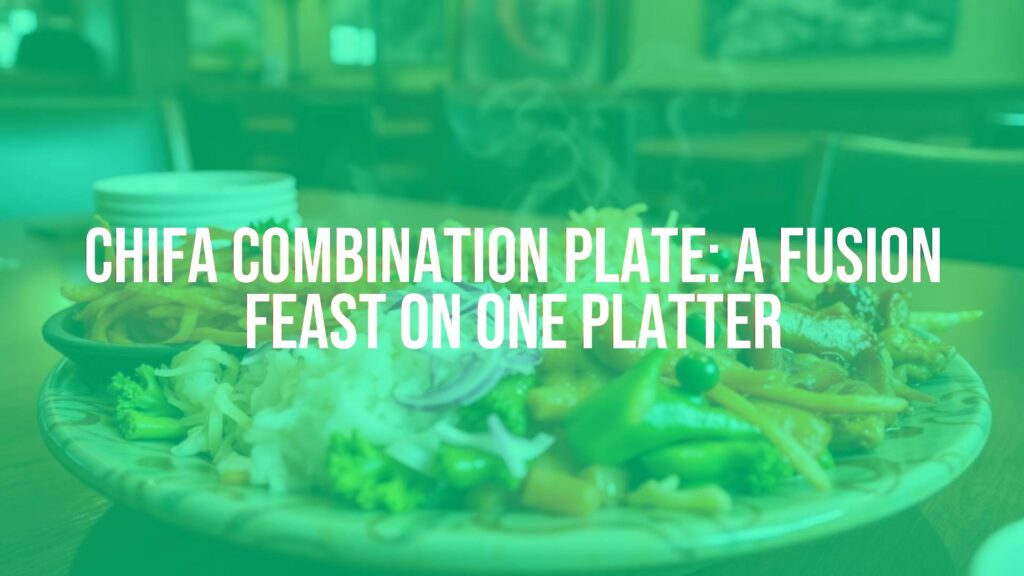
Understanding the Chifa Combination Plate
The Chifa combination plate is a signature offering at many Peruvian-Chinese restaurants (chifas), designed to showcase the diversity and harmony of Chinese and Peruvian culinary traditions. Unlike single-dish entrees, the combination plate provides diners with a sampler of popular Chifa items, making it a favorite choice for those wishing to experience a range of flavors and textures in one meal.
The Concept and Origins
The combination plate reflects the spirit of Chifa cuisine, which emerged from the blending of southern Chinese (mainly Cantonese) cooking with local Peruvian ingredients and tastes. This dish represents both a practical and cultural response to the cosmopolitan dining habits of Lima, offering variety, balance, and satisfaction. The tradition of serving multiple dishes together is inspired by both Chinese banquets and Latin American customs of sharing food, making it an accessible introduction to Chifa for first-time guests and a reliable choice for regulars.
Typical Components and Key Ingredients
While every Chifa restaurant may present its own variation, the combination plate usually includes portions of staple items such as:
- Arroz Chaufa: Chifa-style fried rice enhanced with soy sauce, ginger, scallions, and diced proteins like chicken, beef, or ham.
- Tallarin Saltado: Wok-tossed noodles with vegetables and meat, often seasoned with both soy sauce and local spices.
- Pollo Tipakay or Pollo con Tamarindo: Pieces of crispy fried chicken glazed in sweet-and-sour or tamarind-based sauce.
- Wantan or Spring Rolls: Deep-fried dumplings or rolls, typically filled with chicken, pork, or vegetables, and served with savory dipping sauces.
Other possible components may include Chinese-style stir-fried vegetables, sautéed beef strips (lomo saltado), or a small portion of soup or salad. Each element brings its own balance of flavors—salty, sweet, tangy, and umami—that together create a well-rounded dining experience.
How the Chifa Combination Plate Is Served
Presented on a single large plate or compartmentalized tray, the Chifa combination plate is designed for individual enjoyment but is also a popular option for sharing among friends or family. It is commonly enjoyed during lunch or dinner, either in the lively setting of a chifa restaurant or as takeout. The variety appeals to diners seeking both comfort and discovery, allowing them to sample favorite dishes alongside new ones.
Cultural Significance in Peruvian-Chinese Cuisine
This plate exemplifies the Peruvian tradition of embracing and adapting global influences. The Chifa combination plate goes beyond just mixing cuisines—it’s a metaphor for Peru’s multicultural society, where different backgrounds come together to create something greater than the sum of its parts. It is often a first taste of Chifa for new customers and a nostalgic meal for many Peruvians at home and abroad.
Nutritional Insights and Dietary Considerations
Given its variety, the combination plate can offer a balance of protein, carbohydrates, and vegetables, though it is typically higher in sodium due to sauces and seasonings like soy sauce. Diners with specific dietary needs can often request substitutions (such as chicken instead of pork, or extra vegetables), and many restaurants offer vegetarian or lighter options to suit different health preferences.
Enjoying the Chifa Combination Plate
To get the most from this dish, many enjoy mixing bites of rice, noodles, and protein for diverse tastes and textures in each mouthful. Classic accompaniments include sillao (Peruvian soy sauce), ají amarillo sauces, and sometimes Chinese tea. Dining on a combination plate is both a practical and festive way to appreciate the richness of Chifa cuisine and its pivotal place in Peru’s food culture.
