What Is Chifa and How Did Chinese Influence Shape It?
Chifa is more than just a style of cooking; it’s a key part of Peruvian food and culture, showing the strong Chinese influence on Peru’s kitchens. Chifa is the result of mixing Cantonese cooking styles and local Peruvian ingredients. Today, it’s one of Peru’s most popular foods, enjoyed by people from all backgrounds in places ranging from street food stands to fancy restaurants.

Chifa developed alongside the story of Chinese immigrants arriving in Peru in the 1800s and early 1900s. Most immigrants came from southern China, where Cantonese is spoken, bringing their own customs and food habits. In their new home, they mixed their traditional recipes with local Peruvian foods. This mix, created out of necessity as well as curiosity, shaped what we know as chifa food today.
Where Did the Word ‘Chifa’ Come From?
The word “chifa” is a sign of this joining of two cultures. Now, “chifa” describes both the Chinese-Peruvian food and the restaurants that serve it. The name likely comes from the Cantonese phrase “食飯喇” (Jyutping: sik9 faan6 laa3), meaning “to eat rice,” or “mealtime.” This phrase was heard often in Lima by locals in the 1930s as Chinese restaurant staff called out to each other. Over time, “chifa” became the common word for these eateries and their food. A similar example is the word “chaufa,” from the Cantonese “chaofan” meaning “fried rice,” which is now a staple chifa dish.
Big Chinese Influences in Chifa
- The use of the wok made quick stir-frying (“saltado”) a basic cooking method in chifa.
- Steaming food – an important Chinese technique – also became part of chifa meals.
- Basic ingredients like soy sauce, ginger, and scallions, once new in Peru, became common in both chifa and traditional Peruvian dishes.
By bringing in these techniques and ingredients but using local products, Chinese cooks helped create a new set of flavors now loved across Peru.
How Chinese Immigration Changed Peruvian Food
After the end of slavery, Peru needed new workers. Between 1849 and 1874, over 90,000 Chinese laborers arrived, mainly from Guangdong, China. They worked on sugar plantations, in guano (bird droppings) collection, and on the railways. Even though work was hard and pay was little, many decided to stay in Peru after their contracts ended. As time passed, some immigrants started their own businesses, including restaurants. They brought over seeds for Chinese vegetables and found ways to get the ingredients they missed. This is how the first chifa restaurants started and why Chinese influence is now such a big part of Peruvian food culture.

How Chifa Became a Food Tradition in Peru
The growth of chifa in Peru didn’t happen right away. It was shaped by history, changing neighborhoods, and gradual acceptance by Peruvians over time. At first, the lack of traditional Chinese ingredients meant cooks had to get creative. They made do with local Peruvian foods, mixing new and familiar tastes.
The first Chinese restaurants in Peru became places for both socializing and experimenting with recipes. Slowly, these places helped introduce Peruvians to new techniques and flavors.
Timeline of Chinese Migration to Peru
| Year | Event |
|---|---|
| 1849 | First large group of Chinese immigrants arrives in Peru |
| Late 1800s – Early 1900s | More Chinese workers arrive, especially from Guangdong |
| After labor contracts end | Immigrants start businesses and informal restaurants |
Growth of Chifa Restaurants in Lima
The first true Chinese-Peruvian restaurants, soon known as “chifas,” opened in Lima around 1920 in Lima’s Chinatown (Barrio Chino), near Capón Street. This area became the heart of chifa food. Chifa restaurants like Ton Kin Sen, Thon Po, Men Yut, and San Joy Lao quickly became popular for their new flavors, such as sweet-and-sour sauces and fried rice. Over time, chifas became even more widespread, sometimes outnumbering traditional Peruvian restaurants. When the Peruvian economy struggled in the 1980s, chifas began offering affordable set menus, helping to make them even more accessible.

Chifa’s Acceptance by Peruvian Society
Chifa slowly became part of everyday life because cooks mixed Chinese techniques with local foods like potatoes, pineapple, and local meats. Later, Chinese ingredients like ginger and soy sauce became popular in many Peruvian kitchens. Over time, chifa food became popular among all kinds of people. During hard economic times, the introduction of cheap menus helped make chifa food even more common. Today, chifa is deeply rooted in Peruvian society, with many people eating it at home or in one of thousands of chifa restaurants every week.
Main Ingredients and Cooking Styles from China
Chinese immigrants didn’t just introduce new dishes; they changed the basic way people cooked and flavored their food in Peru. For example, before chifa, many Peruvian recipes didn’t include soy sauce, ginger, or stir-frying over high heat.
Key Ingredients from China
- Soy sauce (“sillao”) – now almost always found in Peruvian kitchens for its salty flavor
- Ginger (“quión”) – adds spicy warmth and is used in both food and drinks
- Scallions – bring a fresh, mild onion taste to dishes
- Oyster sauce and five-spice powder – used in some chifa recipes
These ingredients are now so common in Peru that most markets carry them.
New Cooking Methods: Stir-Frying and Steaming
- Stir-frying (“saltado”) – Quickly cooks meats and veggies in a wok, keeping them crispy and full of flavor. This led to famous dishes like Lomo Saltado.
- Steaming – A gentle way to cook food like wontons and seafood.
These methods were different from the slower roasting or stewing typical in Peru before the arrival of Chinese cooks.

Influence on Local Farming and Ingredient Supply
Early Chinese immigrants grew their own vegetables from seeds brought from China, helping introduce new foods to Peru. The popularity of chifa ingredients like noodles and soy sauce led to both local production and more imports. This increased diversity in the foods available in Peruvian markets, changing farming and business in Peru.
Most Popular Chifa Dishes: Blending Chinese and Peruvian Food
Chifa’s impact is best seen in its popular dishes, which mix Chinese techniques with Peruvian ingredients.
- Arroz Chaufa: Fried rice, typically with chicken, pork or beef, scallions, ginger, and eggs, all cooked with soy sauce. It’s often the main dish or a side and has countless variations.
- Tallarin Saltado: Stir-fried noodles mixed with vegetables and meat, using Chinese spices and sometimes a spicy Peruvian touch. “Aeropuerto” is a combination of fried rice and noodles, topped with a fried egg.
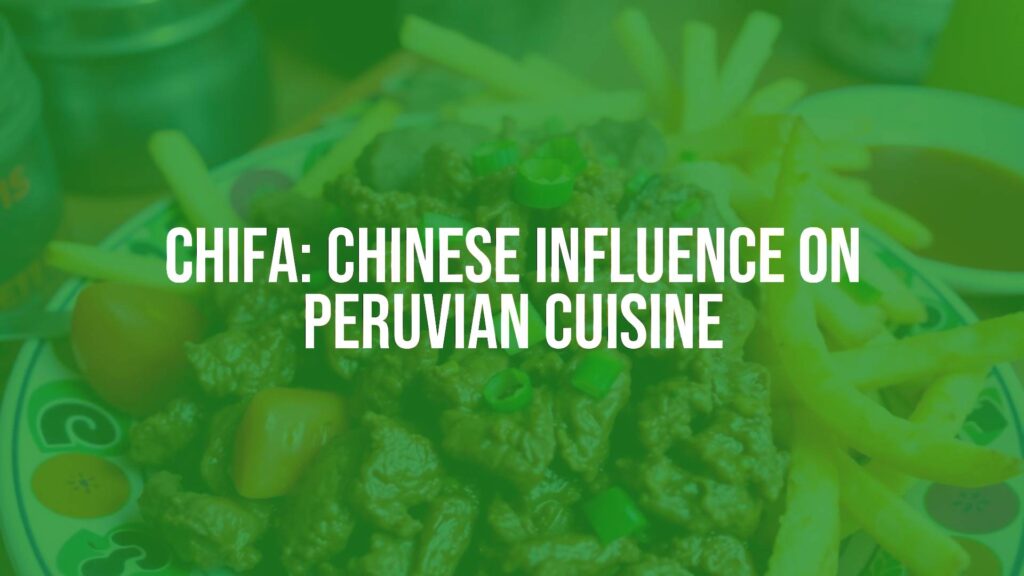
- Lomo Saltado: Stir-fried beef with onions, tomatoes, and a special sauce, served with both rice and French fries – a perfect example of the mixing of the two cultures.
- Kam Lu Wantan: Fried wontons mixed with sweet-and-sour sauce, shrimp, pork, pineapple, and vegetables.
- Other Dishes: Pollo Tipa Kay (chicken in sweet-and-sour sauce), Chi Jau Kay (chicken in chu-hou sauce), Sopa Wantan (wonton soup with meat and vegetables), Chicharron de Pollo (crispy chicken), and Taypa a la Plancha (mixed grill with meats and vegetables).

How Chinese Influence Changed Peruvian Culture and Daily Life
Chinese influence on Peruvian food goes beyond recipes – it’s a big part of Peruvian culture now. Chifa restaurants are popular places for family meals or gatherings. Eating chifa together is a shared custom that brings people together, no matter their background or income.
Chifa as a Sign of Mixed Cultures
Chifa is a real example of what happens when two cultures meet and create something new. What started as food for working-class immigrants is now loved by everyone in Peru, enjoyed in simple eateries and high-end restaurants alike.
Traditions and Ways of Eating
- Chifa portions are big and made for sharing with family or friends.
- Sunday is the most popular day to eat chifa, and for many families, it’s a weekly ritual.
- Affordable prices make it a top pick for group meals.
Chifa in Peruvian Everyday Culture
Chifa is so well-loved in Peru that it is commonly paired with Inca Kola, a sweet yellow soda. Many Peruvians believe it is the best drink to enjoy with chifa food. Chifa is also often mentioned in TV shows and media such as the late-night show “Wantan Night,” further showing its important place in local life.

Chifa Around the World: Where Else Can You Find It?
Chifa began in Peru but has reached other countries as well, thanks to both Chinese and Peruvian immigrants. As people from Peru moved abroad, they brought chifa with them, introducing its unique mix of flavors to new places.
Chifa in South America
Other countries in Latin America, like Ecuador, Chile, and Bolivia, now have chifa restaurants too. These places may use more local ingredients, but the basics of chifa cooking remain, and the food continues to show a blend of Chinese and Latin flavors.
Chifa in the United States
As the Peruvian community has grown in the U.S., especially in cities like Miami, chifa restaurants are becoming more common. They serve both Peruvians living abroad and anyone curious about trying new foods. For example, Chifa Du Kang, which has a strong presence in Peru, also operates in Miami now.
Lima’s Barrio Chino and Global Chifa Communities
The center of chifa food in Peru is Lima’s Chinatown, or Barrio Chino, near Capón Street. This neighborhood is still alive with chifa restaurants today and is a popular destination for both locals and visitors. Similar neighborhoods in other countries where Peruvians or Chinese Peruvians live often become new homes for chifa culture and traditions.
Common Questions about Chifa and Chinese Influence in Peru
Many people have questions about what makes chifa different and special – here are some of the most common ones:
Why is it Called Chifa Only in Peru?
The word “chifa” is unique to Peru and comes from how locals heard Chinese immigrants say, “It’s time to eat” (“sik faan laa”). Over time, this became the name for both the food and the restaurants. Other countries developed their own names for similar foods, but “chifa” is only used in Peru.
What Makes Chifa Different from Other Chinese Cuisines?
| Chifa | Other Chinese Diaspora Cuisines |
|---|---|
| Mixes Chinese technique with unique Peruvian products (like aji amarillo) | Usually adapts Chinese dishes more simply to local tastes |
| Serves dishes like Lomo Saltado (beef stir-fry with fries), Arroz Chaufa (Peruvian fried rice) | More traditional Chinese foods, sometimes just sweeter or fried for local appeal |
| Paired with drinks like Inca Kola, unique to Peru | Often paired with local sodas or teas, depending on country |
Chifa food combines traditional food with local Peruvian tastes and ingredients in a way unlike any other fusion cuisine. It’s found everywhere in Peru and is now spreading to new countries as well.
