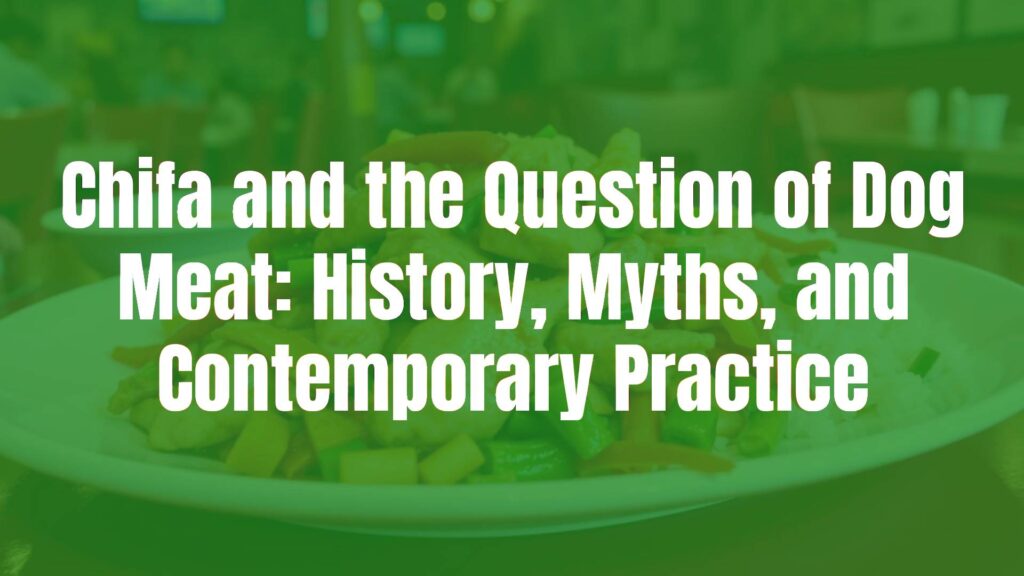
Understanding the Origins: Chifa Cuisine in Peru
Chifa cuisine represents an enduring and vibrant fusion between Chinese and Peruvian culinary traditions. Since the late 19th century, when waves of Chinese immigrants settled in Peru, Chifa has woven Cantonese techniques and local Peruvian ingredients into beloved dishes that now grace restaurant menus across the country. The influence of Chinese cooking, especially stir-fries, noodles, and rice dishes, continues to shape the contemporary dining scene.
Addressing a Sensitive Subject: Dog Meat in Chifa Cuisine
One of the persistent myths surrounding Chifa cuisine in Peru is the historical or contemporary use of dog meat in its dishes. While stories about such practices periodically surface in popular culture or urban legends, there is no credible evidence that dog meat is, or ever was, a legitimate or accepted part of mainstream Chifa cooking in Peru. Chifa restaurants focus on ingredients like chicken, pork, beef, seafood, eggs, tofu, and a variety of vegetables, all seasoned with Chinese and Peruvian spices and sauces.
Traditional Ingredients and Core Dishes
The hallmark of Chifa is its creative melding of Chinese staples—such as soy sauce, ginger, scallions, and rice—with native Peruvian elements like ají amarillo peppers and indigenous vegetables. Popular dishes include arroz chaufa (Peruvian-style fried rice), tallarín saltado (stir-fried noodles), and pollo tipakay (sweet and sour chicken). These meals emphasize fresh, lawful sources of protein and remain a testament to culinary heritage and innovation.
Cultural Taboos and Contemporary Standards
Dog meat consumption is neither condoned nor found in the modern culinary landscape of Peru—Chifa establishments included. The consumption of dog meat is considered taboo within Peruvian society and is expressly prohibited under food safety and animal welfare regulations. Chifa’s reputation rests on its accessibility, adaptability, and alignment with accepted ethical norms.
Myth-Busting and Respect for Tradition
While tales concerning unconventional meats can gain traction in rumor or parody, such narratives misrepresent the authentic legacy of Chifa cooking. Responsible restaurateurs and culinary historians emphasize that traditional Chifa is rooted in cultural respect, family values, and the celebration of diverse yet harmonious flavors. The persistent quality of Chifa lies in its embrace of shared dining experiences, not in sensationalist myths.
Enjoying Chifa: Safe and Celebrated Fare
For those new to Chifa, its vibrant dishes offer a taste of Peruvian-Chinese heritage—entirely based on conventional ingredients. Diners can enjoy Chifa food with confidence, knowing that its diverse menu reflects the best of both culinary worlds while adhering to ethical and legal food practices.
