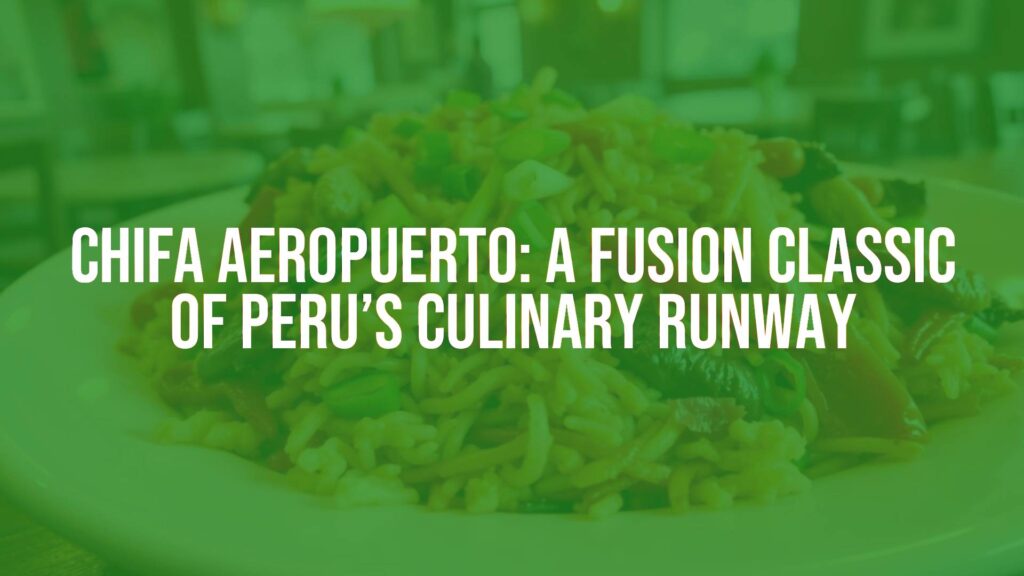
Chifa Aeropuerto: A Fusion Classic of Peru’s Culinary Runway
Introduction to Chifa Aeropuerto
Chifa Aeropuerto is a celebrated emblem of Peruvian-Chinese fusion cuisine. Its unusual name, translating to “airport Chifa,” humorously refers to the dish’s tendency to bring together various ingredients—like different flights converging at an airport—often crafted from kitchen leftovers. Beloved in local Chifas (Peruvian-Chinese restaurants), it’s a dish that encapsulates creativity, comfort, and multicultural history on a single plate.
Origins and Place in Chifa Cuisine
The Chifa tradition arose from the blending of Chinese immigrant cooking techniques with Peruvian ingredients and palates. Aeropuerto stands out as a symbol of this creative mix, representing the way cultures, flavors, and even odds-and-ends come together to form something uniquely delicious. Its signature style comes from melding elements of two classic Chifa dishes: chaufa (fried rice) and tallarín saltado (stir-fried noodles), sometimes layered or mixed, resulting in an abundant, texturally complex experience.
Key Features and Typical Ingredients
What gives Chifa Aeropuerto its distinct personality is the harmonious marriage of stir-fried noodles and rice, enlivened by a variety of proteins, vegetables, and seasonings. Commonly, the base includes:
- Fried rice (chaufa), typically tossed with soy sauce, ginger, scallions, and egg
- Chinese-style stir-fried noodles (tallarín saltado), often combined with onions, bell peppers, and sprouts
- A choice of proteins such as pork, chicken, shrimp, beef, or a combination
- Vegetables like bok choy, carrots, and Chinese cabbage
- Seasonings such as sesame oil, oyster sauce, and sometimes Peruvian ají for a local touch
The ensemble is typically finished in a blazing wok, resulting in smoky wok hei notes and a deeply satisfying aroma.
How Chifa Aeropuerto Is Enjoyed
This dish is celebrated for both its flavor and its spirit of abundance. Served in generous portions, it’s often enjoyed family-style or as a shared platter, perfect for group gatherings. In bustling Chifa restaurants, Aeropuerto is synonymous with celebration and sharing, making it a favorite for those seeking a hearty, multifaceted meal that combines the best of both rice and noodle worlds.
Frequently Asked Questions and Health Considerations
Is Chifa Aeropuerto considered healthy? The answer depends on preparation and portion size. Like many stir-fried dishes, it can be rich in sodium and oil, especially with soy- and oyster-based sauces. However, adaptable recipes allow for leaner proteins, increased vegetables, or the use of brown rice and whole-wheat noodles to boost nutritional value. Diners with dietary restrictions should check for common allergens like soy, gluten, and shellfish.
Can Chifa Aeropuerto be customized? Yes! Its origins in resourcefulness make it highly versatile. Diners and chefs often tailor the dish with their favorite ingredients, making it accessible to vegetarians (with tofu or extra vegetables) or those seeking milder flavors.
Cultural Impact and Modern Significance
Chifa Aeropuerto exemplifies the inventiveness and cooperative spirit of Peruvian-Chinese cuisine. It reflects the adaptability of both immigrant and native culinary traditions, while fostering communal dining and gastronomic exploration. Today, Aeropuerto continues to inspire new variations and is a staple of festival tables, casual family lunches, and culinary celebrations throughout Peru and in communities abroad.
Serving Suggestions
Chifa Aeropuerto is best presented piping hot, optionally accompanied by chili paste, tamarind sauce, or extra soy sauce. A side of pickled vegetables adds refreshing contrast, while a cup of Chinese tea or lightly sweetened Peruvian chicha morada rounds out the experience. Whether enjoyed as a main course or as part of a larger Chifa spread, this dish is sure to delight lovers of bold, cross-cultural flavors.
