Chaufa Rice: A Symbol of Peruvian-Chinese Culinary Fusion
Introduction to Chaufa Rice
Chaufa rice, known locally as “arroz chaufa,” is one of the most beloved dishes within Chifa cuisine—a vibrant culinary tradition that blends Peruvian ingredients and Chinese cooking techniques. Brought to life by Chinese immigrants who arrived in Peru in the late 19th and early 20th centuries, Chaufa embodies the adaptability and creativity at the heart of Chifa food culture. Today, it is a staple offering in Chifa restaurants across Peru and a favorite comfort food for many Peruvians.
Defining Features and Typical Ingredients
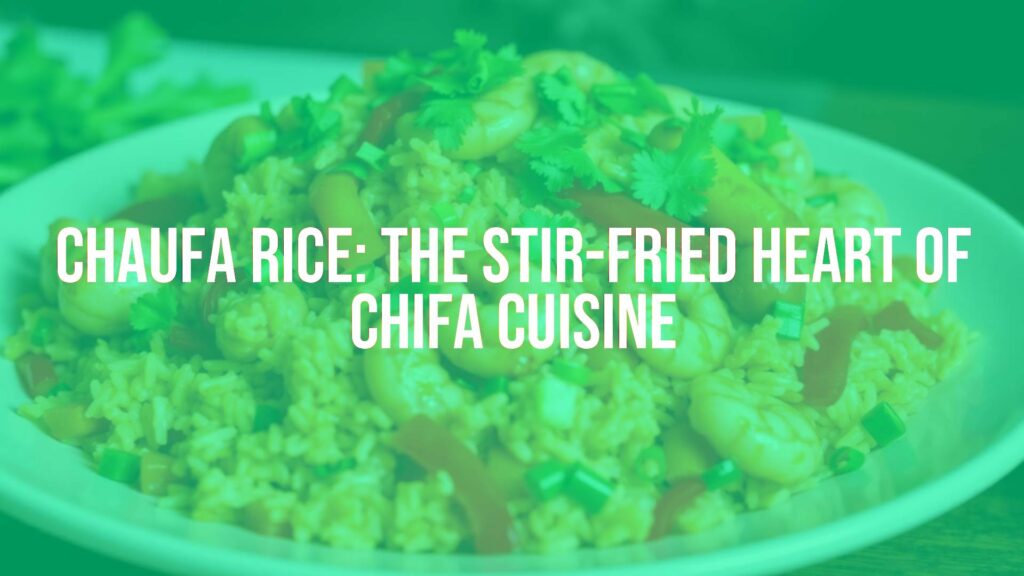
At its core, Chaufa rice is a Peruvian twist on classic Chinese fried rice, balancing familiar elements from both cuisines. The dish typically features steamed rice quickly stir-fried with a medley of diced proteins such as chicken, pork, beef, shrimp, or even tofu. Accompanying these are colorful vegetables—often green onions, bell peppers, and sometimes peas or carrots. The transformation comes through generous seasoning with soy sauce and occasionally a small splash of sesame oil, giving the rice its characteristic hue and depth of flavor. Scrambled eggs are often mixed in for added richness and texture.
Preparation and Enjoyment
Chaufa rice is notorious for its speed and high-heat stir-frying. The ingredients are introduced to a hot wok, allowing each component to retain its distinct texture while forming a harmonious whole. This method ensures a smoky aroma, known as “wok hei,” which is treasured in Chinese cuisine and adopted with gusto by Chifa chefs. The dish is invariably served hot, often as a principal course, and is typically accompanied by Peruvian sauces such as ají amarillo or ají rocoto, lending either a mild or spicy kick to the experience.
Chaufa Rice in Peruvian Culture
More than just a delicious meal, Chaufa rice represents the integration and mutual respect between Peru’s diverse communities. Its popularity is so widespread that it can be found everywhere—from simple street-side eateries to family dining tables and upscale Chifa establishments. The dish’s versatility makes it accessible to all tastes, with the ability to substitute ingredients based on preference and availability. It also plays a part in communal gatherings and celebrations, where large platters foster a spirit of sharing.
Nutritional and Dietary Perspectives
Chaufa rice can be a balanced meal thanks to its combination of grains, protein, and vegetables. For those seeking healthier options, it can be prepared with brown rice, increased vegetable content, or lean proteins. The dish is easily adapted for different dietary requirements, including vegetarian and gluten-free versions, by adjusting protein choices and using tamari instead of traditional soy sauce. However, as with many stir-fried dishes, the sodium content can be high depending on the amount of soy sauce used, so moderation is often suggested for those monitoring salt intake.
Serving Suggestions and Culinary Pairings
While Chaufa rice shines as a stand-alone dish, it is frequently served alongside other Chifa classics such as wantán frito (fried wontons) or sopa wantán (wonton soup). Refreshing beverages like chicha morada (a sweet Peruvian purple corn drink) or green tea are popular accompaniments. For home cooks and restaurant-goers alike, part of the pleasure of Chaufa is customizing the accompaniments and condiments for a personally tailored meal.
Conclusion
Chaufa rice is far more than just a testament to culinary fusion—it’s a flavorful story of migration, adaptation, and shared tradition. Whether enjoyed late at night or as the centerpiece of a family feast, it continues to bridge cultures and delight palates in Peru and beyond.
