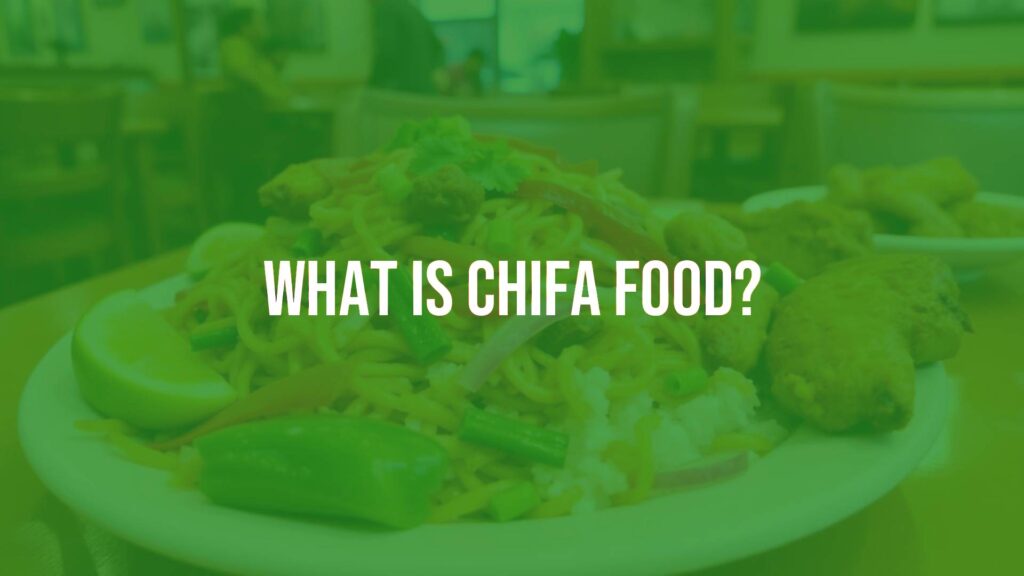
Chifa food is a style of cooking that mixes Chinese and Peruvian flavors and traditions. This fusion began almost 200 years ago, when Chinese immigrants, mainly from southern China (Cantonese), arrived in Peru. Peruvian cuisine, already known for its great variety, took on even more flavors and techniques from Chinese food-especially Cantonese. Chifa refers to both the food and the many restaurants across Peru, especially in Lima, where you can find a Chifa eatery on nearly every corner.

This mix started in the middle of the 1800s, when Chinese workers came to Peru for jobs such as farm labor, railway building, mining, and bird dung collection (guano). Along with their work, they brought traditional Chinese ways of cooking, especially rice and wok stir-fries. When they could not find some of their home ingredients, they began using what was available in Peru, creating a new cuisine that reflects both cultures. Chifa is a great example of cultural sharing; it turned simple meals into something full of shared history and flavor.
How Is Chifa Food Different From Chinese or Peruvian Food?
The main thing that makes Chifa special is how it mixes Chinese and Peruvian foods, rather than just copying one or the other. Chifa uses many Cantonese items like soy sauce (called sillao in Peru), ginger (kion), and green onions, but it also adds Peruvian foods like potatoes, pineapple, and aji amarillo (yellow chili pepper). The result is dishes you will not find in China or anywhere else.
Also, outside Peru, the word “Chifa” is not really used. In Peru, Chifa is seen as its own thing, not simply “Chinese food.” Chinese cooking styles, like stir-frying in a wok, have become a normal part of Peruvian eating. Even famous Peruvian plates such as Lomo Saltado show this influence. Chifa keeps changing, too: in some parts of Peru, people use local meats or fish in Chifa recipes. Thanks to this, Chifa is now a common, everyday food across society in Peru.
Key Ingredients and Cooking Styles in Typical Chifa Food
Chifa cuisine stands out because of its clever mix of ingredients and cooking styles. Chinese immigrants, usually from Cantonese backgrounds, brought their wok and deep knowledge of combining flavors. When they settled in Peru, they started adding local products to their cooking, giving us Chifa’s distinct taste.
The wok is a main tool in Chifa kitchens. Its high heat helps cook food quickly, which keeps veggies crisp and meat juicy. This balance between quick frying and mixing flavors-savory, a little sweet, and sometimes spicy-gives Chifa its special flavor.

Main Ingredients in Chifa Dishes
| Ingredient (Peruvian Name) | Role in Chifa Dishes |
|---|---|
| Soy sauce (sillao) | Main flavor, used in almost every dish |
| Ginger (kion) | Adds warmth and a mild spicy kick |
| Green onions | Provides freshness and aroma |
| Chicken, beef, pork | Cut into strips for stir-frying |
| Rice | Base for many meals, especially Arroz Chaufa |
| Noodles | Key for dishes like Tallarin Saltado |
| Vegetables (cabbage, bean sprouts, bell pepper, holantao) | Add color, crunch, and nutrition |
| Potatoes, pineapple | Show Peru’s twist on Chinese recipes |
Cooking Methods That Combine Chinese and Peruvian Styles
Chinese immigrants brought the stir-frying method (called saltado in Spanish), which uses very high heat and little oil to quickly cook food. Meat gets a nice outer layer while staying tender inside, and veggies stay crisp. Lomo Saltado is a great sample of this-the beef is stir-fried in the wok with onions, tomatoes, and sometimes Peruvian aji amarillo, mixing both cultures’ approaches.
Another Chinese method is soaking or marinating meats in soy sauce (sometimes with sesame oil). This adds bold, rich flavor. Many sauces in Chifa dishes, from oyster to sweet and sour, are based on Chinese recipes but often adjusted with local Peruvian tastes. Some diners in Peru will ask for extra spicy sauces like aji amarillo and fresh lime, showing how Chifa continues to change with local habits.
Most Well-Known Chifa Dishes
There are many beloved Chifa dishes, eaten by people all across Peru. They’re known for being hearty, packed with flavor, and often meant for sharing around the table. From simple soups to big stir-fried plates, there’s something for everyone, and Chifa restaurants in Lima and beyond stay busy feeding people these favorites.
- Arroz Chaufa (Peruvian-Chinese Fried Rice): The most famous Chifa meal, Arroz Chaufa is fried rice with soy sauce, green onions, scrambled egg, and chopped meats like chicken or pork. “Chaufa” comes from the Cantonese word for fried rice. It’s very flexible and can be eaten alone or with other foods. In Peru, you’ll find it from street stands to fancy restaurants.
- Tallarin Saltado (Stir-Fried Noodles): This is the noodle cousin to Arroz Chaufa. Noodles are fried in a wok with veggies like cabbage and green onions, and you can add chicken, beef, shrimp, or just veggies. It’s full of flavor thanks to soy and sesame oil.
- Lomo Saltado (Beef Stir-Fry): This is both a Chifa and classic Peruvian dish. Beef strips are marinated and cooked quickly with onions, tomatoes, aji amarillo, soy sauce, and garlic, then served with both rice and French fries. It perfectly shows the Chinese-Peruvian mix.
- Sopa Wantan (Wonton Soup): A favorite starter in Chifa restaurants. It’s a clear broth with wontons (dumplings filled with meat), chicken, and vegetables like cabbage and green onions. There’s also a “special” version with roast pork, quail eggs, and other extras.
- Pollo Chi Jau Kay (Crispy Chicken in Soy Sauce): Chicken pieces are battered, fried until crisp, and served with a thick soy and oyster sauce, with chopped green onion. It’s often paired with rice or Arroz Chaufa.
- Tipakay (Sweet and Sour Chicken): Chicken is fried, sliced, and covered in a sweet-and-sour sauce, usually made from tamarind and mixed with pineapple and snow peas.
- Kam Lu Wantan (Mix of Meats in Sweet and Sour Sauce): This party dish has crispy meat-filled wantans, different meats (pork, chicken, sometimes shrimp), veggies, and pineapple tossed in sweet and sour sauce. It’s made for sharing.
- Chaufa de Mariscos (Seafood Fried Rice): Similar to Arroz Chaufa-but with seafood like shrimp and squid, plus aji amarillo for color and heat. This brings together Peru’s seafood and Chinese-style rice.
- Fried Wantan (Wontons): Crunchy, meat-filled snacks made from wheat dough. Served as appetizers, with dipping sauces or alongside other meals.
- Pollo con Piña (Chicken and Pineapple): Slices of chicken stir-fried with pineapple chunks, soy sauce, and a little vinegar for an easy sweet-sour dish.
- Carne con Frejolito Chino (Beef and Bean Sprouts): Beef strips are quickly stir-fried with bean sprouts, garlic, and ginger, finished with soy sauce and sometimes a bit of chili for spice.

Tips for Ordering and Eating Typical Chifa Food
Looking over a Chifa menu can be a fun experience, especially if it’s your first time. There are lots of choices, so here are some ideas for getting the most from your meal. Chifa dishes usually come in large portions, ideal for sharing with family or friends. Sundays are very busy in Chifa restaurants, so expect a lively scene.
Chifa can be found at every price level. From simple fried rice at street stalls to special meals in fancy restaurants, there’s something for every budget. To have the best experience, follow these suggestions:
How to Pick Chifa Dishes
- Start with a classic: Try Arroz Chaufa as a main dish or as a side.
- Order noodles: Tallarin Saltado adds a different texture and flavor.
- Don’t miss Lomo Saltado: This signature beef stir-fry is a great way to taste the blend of both cuisines.
- Start with soup: Sopa Wantan is a light first course.
- Order a variety for the table: Mix it up with Pollo Chi Jau Kay, Tipakay, Kam Lu Wantan, and a seafood dish like Chaufa de Mariscos.
Adjusting Spice and Sauces
One of the best things about Chifa food is that it can be made just how you like it. Most dishes are not very hot or spicy, but in Peru, people often add aji amarillo sauce or ask for lime to make the food tangier or spicier. Don’t be shy-ask for these extras if you don’t see them on the table.
There is almost always a bottle of soy sauce (sillao) at Chifa restaurants, and sometimes there are chili oils or vinegar too. If you want more of these, just ask. For drinks, many Peruvians like Inca Kola, a local soft drink with a sweet, unique taste that partners surprisingly well with Chifa flavors. Chinese-style tea is another option to finish your meal.

Frequently Asked Questions about Chifa Food
Chifa’s long history and special blend of tastes can make people curious. Here are answers to some common questions about this Chinese-Peruvian cuisine.
Is Chifa Food Spicy?
Most Chifa food is not spicy by default. Flavors tend to focus on salty, sweet, and savory notes (like from soy sauce and ginger). Main dishes such as Arroz Chaufa, Tallarin Saltado, and Pollo Chi Jau Kay are generally mild. If you like your meal hot, just ask for aji amarillo or aji rocoto sauce; many restaurants supply these so you can add extra spice if you want.
Is Chifa Safe for People with Food Allergies?
Chifa dishes often include soy sauce (which usually contains soy and wheat), eggs, meat, and sometimes shellfish, which are all potential allergens. If you have food allergies-especially to gluten, soy, or shellfish-ask about ingredients, and see if the kitchen can adjust your dish. More places are starting to offer gluten-free choices, but this is still not the norm. Always let the staff know about any allergies when you order.
Are There Vegetarian Options at Chifa Restaurants?
Yes, many Chifa restaurants now have vegetarian choices. Arroz Chaufa can be made without meat (sometimes just with egg and vegetables). Tallarin Saltado also works with just veggies, and you can request “sin carne” (no meat) or ask if there are meat-free soups or stir-fries. With the growing popularity of plant-based diets in Peru, restaurants are becoming more flexible and willing to adapt dishes for vegetarians and vegans.