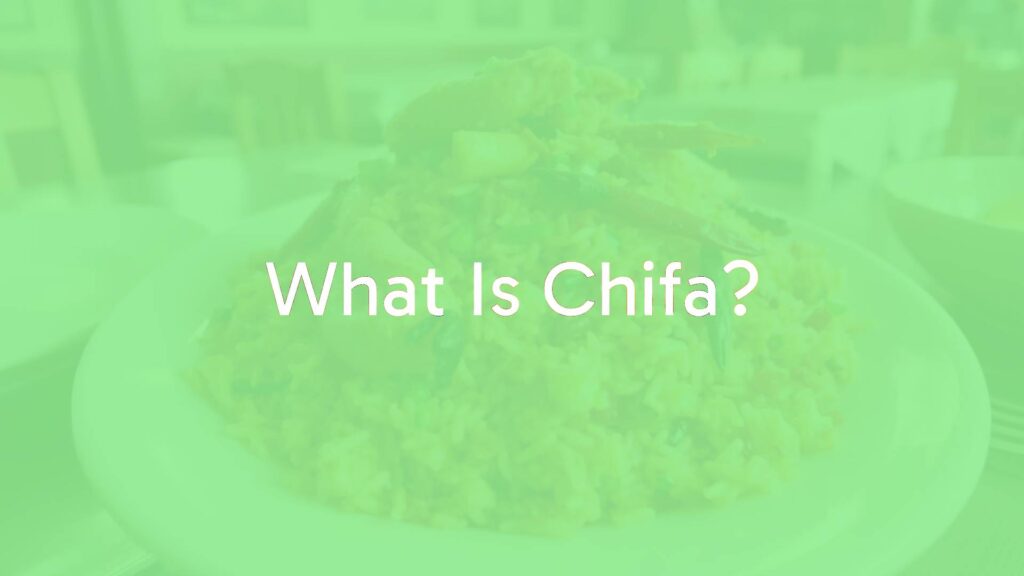
Chifa is more than just a style of cooking-it’s an important part of Peruvian culture. Chifa is the name given to the mix of Chinese (especially Cantonese) and Peruvian cooking. This mix started when Chinese immigrants came to Peru and began blending their traditional ways of cooking with local Peruvian foods. Today, “chifa” is also used to refer to the restaurants that serve this type of food-a sign of how the two cultures have come together around the dining table.

What is chifa?
Chifa is not only Chinese food in Peru, nor is it just Peruvian food with some Chinese ingredients. It has grown into its own type of cuisine. The first Chinese immigrants, missing the tastes of home, used the Peruvian ingredients around them to make their old recipes. In doing so, they created a new style of food that is now one of the most loved in Peru, enjoyed by people all over the country.
Chifa restaurants are everywhere in Peru, especially in Lima. Some city blocks have more than one chifa restaurant, showing how popular and important chifa has become. There are simple, local neighborhood spots as well as fancy restaurants, meaning chifa is for everyone, no matter their background or income.

How did the word “chifa” come about?
The word “chifa” has an interesting background. According to the Comisión Lexicografía de la Academia Peruana (CLAP), it probably comes from the Cantonese words “食飯喇” (sik faan laa), which means “time to eat cooked rice.” Chinese families in Lima used this phrase during meals. Over time, Peruvians started to use “chifa” to mean the Chinese-Peruvian restaurants themselves. It’s a good example of how words can change as cultures mix.
The word “chaufa”-used for chifa’s fried rice-comes from the Cantonese “炒飯” (chaofan), which means “fried rice.” These borrowed words show the strong Chinese influence in chifa and how some Chinese food names became common in Peru.
What makes chifa different in Peruvian cuisine?
Chifa stands out because it blends Chinese cooking skills, like using a wok and special seasonings, with Peruvian ingredients such as potatoes, yellow chili peppers (ají amarillo), and local meats. The result isn’t just Chinese dishes made with new ingredients, but truly new dishes. A good example is lomo saltado-a stir-fry made with Peruvian beef, onions, tomatoes, french fries, and rice.

Chifa food has the deep, savory flavors of Cantonese cooking, mostly achieved through quick stir-frying, alongside the heat, freshness, and earthiness of Peru’s native foods. Chifa keeps changing and growing as new generations bring their own touches, showing that food traditions can change while still respecting the past.
How did chifa get started in Peru?
The story of chifa begins with Chinese immigrants. Many came to Peru in the late 1800s and early 1900s to work after slavery ended. They mostly came from Guangdong, a southern part of China, and many settled in Lima after their contracts ended. These early immigrants wanted to eat the food they grew up with but had to use what ingredients they could find in Peru. This mix-and-match method is what made chifa possible.

Chinese immigration to Peru
The first Chinese workers arrived in Peru in 1849 to work in tough jobs like building railroads, harvesting coastal crops, and digging bird droppings for fertilizer. Despite the difficult life, many Chinese people stayed in Peru after their work contracts and started their own small businesses, especially restaurants. They introduced new foods like rice and used woks for cooking.
Mixing cultures and foods
Chinese cooks didn’t have easy access to Chinese foods in Peru, so they started using local meats, yellow hot peppers, and seafood. Some even brought seeds from China and grew familiar vegetables. Over time, techniques like stir-frying and ingredients such as soy sauce blended naturally with Peruvian foods like potatoes and ají amarillo.
Chifa restaurants start to open
The first chifa-style restaurants opened in Lima’s Chinatown (Barrio Chino) around 1920. These restaurants quickly became popular, especially among wealthy people in Lima. Chifa dishes were known for their sweet and sour flavors, tasty fried rice, and filling soups.
In the 1980s, economic problems in Peru made chifa food even more popular because it was filling and affordable. The number of chifa restaurants grew fast, and today Lima has over 6,000 chifa restaurants-more than some of the world’s largest cities. Chifa is sometimes even more common than traditional Peruvian food in some areas.
What ingredients and methods are typical in chifa?
Chifa cooking uses a small group of main ingredients and certain special techniques from both Chinese and Peruvian traditions. This mix gives chifa food its unique flavor and texture.
Main ingredients in chifa
| Chinese Ingredients | Peruvian Ingredients |
|---|---|
| Soy sauce (“sillao”) Ginger (“quión”) Scallions Noodles Oyster sauce Star anise | Ají amarillo (yellow chili paste) Potatoes Corn (“canchita”) Local meats and seafood |
Chinese ingredients often give dishes their basic taste, while Peruvian foods add color and make the dishes truly local.

Wok cooking and why it matters
Using a wok-an Asian cooking pan with a round bottom-is at the center of chifa cooking. This method lets cooks fry food very quickly at high temperatures, which helps vegetables stay colorful and crisp. The wok also gives dishes a special, slightly smoky taste. Quick cooking in the wok was also practical for early immigrants who needed fast, healthy meals.
Local changes and different flavors
Chifa has changed over time to fit Peruvian tastes. You see influences from non-Cantonese Chinese cooking too, like the spicy touches from Sichuan-style food. Dishes like lomo saltado use French fries, which you would never find in most Chinese cooking, but are very Peruvian. Chifa food is often served with aji amarillo sauce and lime, so people can add extra flavor, a typical Peruvian habit.
What are some of the most popular chifa dishes?
Certain chifa dishes have become classics in Peru. Many people start their experience with chifa by trying one of these well-known meals:
- Arroz chaufa: This is fried rice with soy sauce, scallions, some egg, and usually chicken or pork (but other meats can be used too). There’s even a version called “Aeropuerto” that has noodles mixed into the rice.
- Lomo saltado: Stir-fried beef, onions, tomato, and chili with both rice and French fries; it combines Chinese stir-fry with Peruvian ingredients.
- Tallarín saltado: Peruvian-style chow mein with yellow noodles, vegetables, and usually chicken, beef, or pork.
- Wantán: Wontons, often boiled in soup or fried and served with sweet and sour sauce. Kam Lu Wantán sees the wontons stir-fried with meats, vegetables, and sauce.
- Gallina tipakay: Sweet and sour chicken-fried, crispy chicken tossed with a tangy, sweet sauce, and often served with arroz chaufa. Its counterpart, Pollo Chi Jau Kay, is a salty chicken dish with oyster sauce and ginger.
How do Peruvians enjoy chifa today?
Chifa food is now deeply rooted in everyday life in Peru. It is enjoyed by families and individuals of all backgrounds and lifestyles, from small eateries to high-end restaurants. Chifa restaurants are everywhere, especially in Lima.
Chifa restaurants and street food
There are thousands of chifa restaurants, ranging from simple to fancy, spread throughout the country. Many people enjoy chifa food at street stalls, where dishes like arroz chaufa are sold at low prices, making it accessible to all.
Barrio Chino: Lima’s Chinatown
Lima’s Barrio Chino, around Capon Street, is the original home of chifa in Peru. It’s full of chifa restaurants and is an important part of the city’s Chinese-Peruvian culture. Some of the oldest chifa restaurants in Peru started there, and it remains a popular area to taste traditional dishes.
Eating chifa with family and friends
Eating chifa is a social event for many families. It’s common for large groups-sometimes 20 people-to eat together at a chifa restaurant, especially on Sundays. The large portions are perfect for sharing. Many Peruvians eat chifa at least three times a week, whether from restaurants or homemade.
Portions and drinks
Chifa restaurants are known for their large servings. People often order set meals with soup and rice together. Inca Kola, a popular soft drink, is the classic choice with chifa food, though other drinks like jasmine tea, lemonade, soda, and water are also available.
Has chifa spread to other countries?
Chifa originally developed in Peru, but it is spreading to other places too-mainly because of new waves of Chinese immigration and the rising interest in Peruvian food.
Chifa in Latin America
Chifa restaurants have appeared in countries such as Ecuador, Bolivia, and Chile since the 1970s, thanks to Chinese communities who brought this fusion cuisine with them. Chifa gives people in these countries a new food experience by blending Chinese and Peruvian flavors.
Chifa worldwide
Chifa is gaining attention around the world, helped by the popularity of Peruvian culture and exports like Pisco. There are even events and festivals in countries such as Brazil and Spain focused on chifa. Chefs have also opened chifa restaurants in places like Singapore. This increase in international interest shows that chifa appeals to people in many different places.
Frequently asked questions about chifa
Is all Chinese food in Peru called chifa?
No, not all Chinese food in Peru is chifa. Chifa refers to the Chinese-Peruvian style that developed in Peru, not just any Chinese food. Today, most Chinese restaurants in Peru serve chifa food, but traditional Chinese cooking without Peruvian touches is different and less common.
How is chifa different from Chinese food from China?
Chifa takes many things from Chinese cooking, such as using a wok and certain ingredients, but mixes them with Peruvian foods like potatoes, aji amarillo, and local meats. Some dishes (like lomo saltado, which includes French fries) would not be found in China. Chifa often comes with sauces and limes for extra flavor, which is a local touch. So, chifa is a unique and creative blend, rather than just a copy of dishes from China.