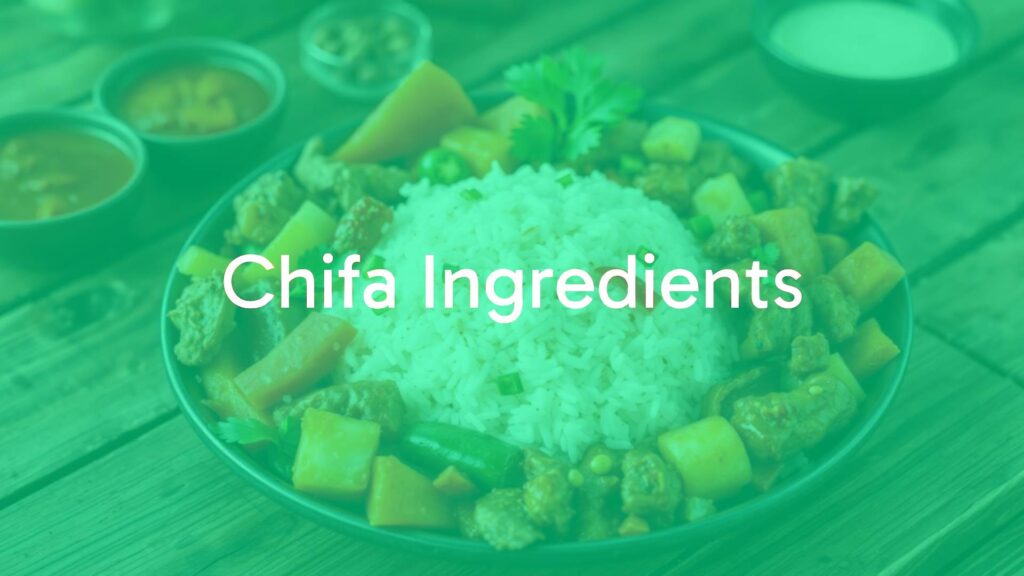
Chifa is a lively mix of Chinese and Peruvian cooking that started when Chinese immigrants arrived in Peru in the late 1800s and early 1900s. This style of food combines Cantonese cooking steps with local Peruvian ingredients. Chifa dishes often use simple but flavorful items that work together to make tasty meals full of personality. You’ll find basic grains, meats, fresh vegetables, and a set of special sauces and seasonings in almost every meal. Knowing these main ingredients helps you understand how chifa food gets its special taste, whether you are an experienced cook or just starting out in the kitchen.

Chifa’s Main Ingredients
Chifa dishes usually start with a handful of core ingredients that appear in most recipes. These basics are chosen to add the right texture, flavor, and nutrition. They show how chifa brings two different food cultures together.

Rice as the Foundation
Rice, especially white rice, is the main grain in chifa. For dishes like Arroz Chaufa (Peruvian fried rice), rice is a must. Day-old, cold rice is best because fresh rice has too much moisture and turns mushy when fried. Chilled rice, dried out in the fridge, stays separate and gets a bit crispy in the pan. Occasionally, chefs use brown rice or even add grains like quinoa for variety and health benefits, but white rice is standard.
Usual Proteins: Chicken, Beef, Pork, Seafood
Chifa meals often include plenty of protein. Chicken (either thighs or breast, cut in pieces) is a popular option due to its mild taste and because it soaks up flavors well. Beef and pork are also used a lot, usually cut into strips or cubes for quick cooking. Coastal chifa spots often add seafood like shrimp or squid. Chifa cooking lets you use whatever protein you have, making it perfect for using up leftovers.
Vegetables Common in Chifa
Vegetables add color, crunch, and nutrition to chifa. Red bell peppers are popular for their sweet taste and color. Onions (red and yellow) are used often, with green onions (scallions) being especially important. The white parts of scallions go in early for flavor, while the green tops get added at the end for a fresh touch. Garlic and ginger, both chopped or grated, bring a deep and sometimes spicy kick. Other veggies might include bean sprouts, Peruvian corn (choclo), cabbage, mushrooms, or zucchini, depending on what’s available and local preferences.
Key Sauces and Spices
Chifa flavor comes from its sauces and spices. Soy sauce stands out for adding a salty, savory (umami) flavor and a deep brown color. Both light and dark soy sauces are used. Toasted sesame oil goes in at the end for a nutty smell and taste. Cumin, more common in Latin cooking, slips into chifa and makes it slightly different from regular Chinese food. A pinch of sugar balances the taste, and salt and pepper finish it off. These ingredients combine with the fresh aromatics for that balanced chifa flavor.

What Rice and Noodles Work Best in Chifa?
Many chifa meals are based on the right type of rice or noodles. Each choice changes the texture and brings out the flavors of everything else nearby.
Best Rice for Arroz Chaufa
To make Arroz Chaufa, long-grain white rice (such as jasmine rice) is the top pick. What matters most, though, is using cold, day-old rice-never fresh. Warm rice is sticky and clumps up. Cold rice keeps its shape and can get a little crispy on the pan. If you don’t have leftover rice, cook some and let it cool on a baking sheet in the freezer for around 20 minutes. Occasionally, people use brown rice for more fiber and a different taste.
Tallarín Noodles and Their Uses
Noodles are another big part of chifa, especially in Tallarín Saltado. “Tallarín” means spaghetti-like wheat noodles; these are cooked until just firm, then stir-fried with meat, vegetables, and strong, savory sauces. The noodles need to be sturdy enough to handle quick frying. If you can’t find Peruvian tallarín, you can use spaghetti or other wheat noodles from Asian groceries. These noodles give a chewy texture that balances out soft meat and crunchy veggies.

Important Sauces and Flavors in Chifa Cooking
Chifa gets its flavor from using a mix of Chinese and Peruvian-style sauces and seasonings. The right balance of these gives every meal its signature taste.
Soy Sauce and Tamari
Soy sauce is a basic in chifa, giving saltiness, umami, and a dark color to recipes like Arroz Chaufa. Dark soy sauce is used for color and a slight sweetness, while light soy sauce gives more saltiness. For people who don’t eat gluten, Tamari is a good soy sauce substitute-it’s less salty, so sometimes you’ll need a bit more. It’s better to use low-sodium soy sauce so dishes don’t get too salty.
Sesame Oil and Oyster Sauce
Toasted sesame oil, with its strong, fragrant smell, is usually put in at the end for a nutty finish. If added too early, it can taste bitter. Oyster sauce gives many stir-fried meals a shiny look and a sweet, savory depth. While not always required, it pulls the ingredients together and adds flavor.
Ajinomoto (MSG) in Chifa
MSG, known by the brand name Ajinomoto, is sometimes used in chifa just like in many Asian kitchens. It boosts the savory effect, making food taste better. Some people avoid MSG, but the same rich taste can often be reached with extra soy sauce, garlic, and ginger-though hard-core fans may miss the special lift MSG gives.
Peruvian Touches: Ginger, Scallions, and Peppers
Ginger and scallions are key for the slightly spicy and fresh taste chifa is known for. Ginger, grated or minced, is cooked early on with garlic. Scallions go in both early (the white parts for base flavor) and late (the green for a fresh kick). Red bell peppers show up for their color and crispy bite. While Peruvian chili (ají) sometimes appears, it’s usually served on the side so the Chinese-style flavors stay in front.
How Ingredients Come Together in Classic Chifa Meals
Chifa is more than just a list of foods-it’s how they all get mixed and cooked, usually quickly over high heat, to keep the texture and flavor just right.
Main Ingredients in Arroz Chaufa
Arroz Chaufa (Peruvian fried rice) always uses cold, day-old rice. Classic proteins include diced chicken, but pork, beef, shrimp, or even hot dogs can be used. Garlic and ginger cooked at the start set the aroma. Red bell peppers and the white parts of green onion go in for sweetness and crunch; green tops go on later for garnish. Flavors come from a mix of soy sauce (light and dark), sesame oil, and cumin. Scrambled eggs are mixed in at the end for extra texture. Stir-frying everything fast in a hot pan ties all the flavors together.

Core Pieces in Tallarín Saltado
Tallarín Saltado is a noodle stir-fry. It starts with wheat noodles, cooked until firm. These mix with pieces of beef, chicken, or seafood. The meat is marinated in soy sauce before hitting the pan. Sliced red onions, bell peppers, and sometimes tomato add freshness and tang. The sauce is usually soy sauce, vinegar, and maybe some oyster sauce for shine and depth. Garlic and ginger give the main spice. Noodles are mixed in at the end so they soak up the sauce. High heat keeps the meat juicy and the vegetables crunchy.
Sauces and Toppings in Chifa Food
The finishing touches matter. Sauces (like a final dash of sesame oil) might go in near the end. Aji creams, like aji verde (green chili sauce), are served on the side for extra heat. Green onions, cilantro, or sliced red chili are often sprinkled on top before serving for freshness and color. These toppings perk up the flavor and look of the dish.
Vegetarian and Vegan Options with Chifa Ingredients
Chifa is easy to adjust for meat-free diets. Though traditionally full of meat and eggs, it can be just as tasty with the right swaps.
Plant-Based Proteins for Chifa
If you don’t eat meat, you can use tofu (pressed and fried until golden) or tempeh for their firm texture. Seitan works well for noodle dishes if you want that “meaty” feel. Mushrooms, especially shiitake or oyster, give a deep, earthy flavor. Chickpeas or lentils can be added to fried rice for more protein and fiber. Make sure plant proteins are seasoned and cooked properly before mixing them with the rest.

Ways to Adjust Flavors for Vegetarians
To match the flavor of classic chifa-just without animal foods-try mushroom soy sauce or vegetarian “oyster” sauce for the deep, savory effect. Make sure all extras like MSG are plant-based. Garlic and ginger matter even more, and adding umami-rich veggies (like more mushrooms or tomatoes) and a little nutritional yeast can help bring fullness of flavor. Stir-frying things in the right order still makes a big difference to the taste.
Can You Swap Chifa Ingredients at Home?
Chifa cooking is very flexible, so it’s easy to swap ingredients when you can’t find the exact ones. Many of the flavors and textures can be recreated with common replacements.
Common Ingredient Swaps
If you don’t have chicken thighs, use chicken breast or shredded rotisserie chicken. Any cut of beef or pork works if it’s thin, so it fries quickly. If you’re out of fresh ginger, use a small amount of ground ginger. Red bell peppers are classic, but any bell pepper or even carrots and snap peas will add similar crunch and color. If you don’t have day-old rice, quickly cool fresh rice in the freezer on a tray. For sauces, any good soy sauce will do, and if you’re out of sesame oil, you can use another neutral oil but the flavor won’t be exactly the same. The idea is to keep the balance of flavors and textures steady.
Changing Chifa Recipes for Special Diets
To make chifa gluten-free, use Tamari instead of regular soy sauce and check labels on other sauces. For vegetarian versions, use tofu, tempeh, or mushrooms, skip the eggs to make it vegan, and use vegan “oyster” sauce. For low-sodium meals, pick low-salt soy sauce and taste as you go. For more nutrition, switch to brown rice, add extra vegetables, or use lean meats. The fast stir-fry style makes it easy to add a variety of healthy items.
Chifa Ingredients: Health Information
Chifa can be healthy if you choose your ingredients and cook carefully. The nutrition values depend on what you use and how you cook it, but small changes can make a big difference.
Nutrition in Typical Chifa Meals
Chifa meals like Arroz Chaufa or Tallarín Saltado have a good mix of carbs from rice or noodles (for energy), protein from meat or seafood (for fullness and muscle repair), and vitamins plus fiber from veggies. For example, a chicken Arroz Chaufa has around 450 calories, 54g carbs, 26g protein, and 14g fat per serving. However, these meals can be high in sodium because of the sauces. The quick-cook stir-fry technique helps keep the vegetables packed with vitamins, as they stay firm and don’t lose much nutrition during cooking.
How to Make Chifa Meals Healthier
To make your chifa dishes healthier, use low-sodium soy sauce and cut back on added salt. Double up on veggies like bell peppers, add broccoli or snap peas for extra fiber. Use more chicken breast or shrimp and less red meat to lower saturated fat. Use less oil, or choose oils like canola or avocado to keep the fat lower and healthier. Switching to brown rice or even quinoa in place of white rice increases fiber and keeps you full longer. These changes help you enjoy chifa flavors while eating better for your body.
Chifa Ingredient FAQs
Because chifa is a blended cuisine, people often have questions about its ingredients and how they compare to both Chinese and Peruvian cooking. Here are some answers to questions that come up a lot:
How Are Chifa and Chinese Ingredients Different?
Chifa uses many Chinese basics like soy sauce, sesame oil, ginger, and scallions, but also brings in local Peruvian flavors. Cumin, for example, is a common chifa spice and isn’t often seen in Chinese food. Red bell peppers are used more in chifa. Chifa also tends to stick with certain noodles (like tallarín) and relies on a strong stir-fry technique for caramelized, browned flavors. Sometimes a mild Peruvian chili is used, but the Chinese base stays dominant.
Is Chifa Gluten-Free?
Most chifa meals use soy sauce, which has wheat, so they are not gluten-free by default. But by using Tamari instead and checking labels on other sauces, chifa can be made gluten-free. The main ingredients-rice, fresh veggies, meats, and eggs-are naturally gluten-free, so with the right sauce substitutes, the dishes are safe for those who avoid gluten.
How Do I Find Chifa Ingredients Outside Peru?
These days, it’s easier to get chifa ingredients outside Peru. Soy sauce, sesame oil, ginger, garlic, and green onions are often in regular grocery stores. For more variety, visit an Asian grocery for noodles and sauces. Some international stores also carry Peruvian peppers and sauces. When something is hard to find, you can substitute with other mild chilies or just adjust the recipe. Shopping online can also fill in gaps. Since chifa itself is about blending what’s handy, local substitutes work well and let you create your own take on classic dishes.