Understanding Chifa Chinese Beans
Within the diverse and flavorful landscape of Chifa cuisine—a fusion of Peruvian and Chinese culinary traditions—Chifa Chinese beans stand out as a staple dish, prized for their robust taste and satisfying texture. These beans, often referred to as “frejoles chinos” in Peru, uniquely showcase the ingenuity of immigrant cooking and the seamless blending of two distinct food cultures.
A Glimpse into their Chifa Heritage
Chifa, developed through Chinese immigration to Peru in the late 19th and early 20th centuries, thrives on the blending of native Peruvian ingredients with classic Chinese cooking techniques. Chinese beans, typically resembling black beans or similar local varieties, have become a popular item at chifas (Chinese-Peruvian eateries) across the country, often accompanying rice or serving as a base for heartier main courses.
Core Characteristics and Flavors
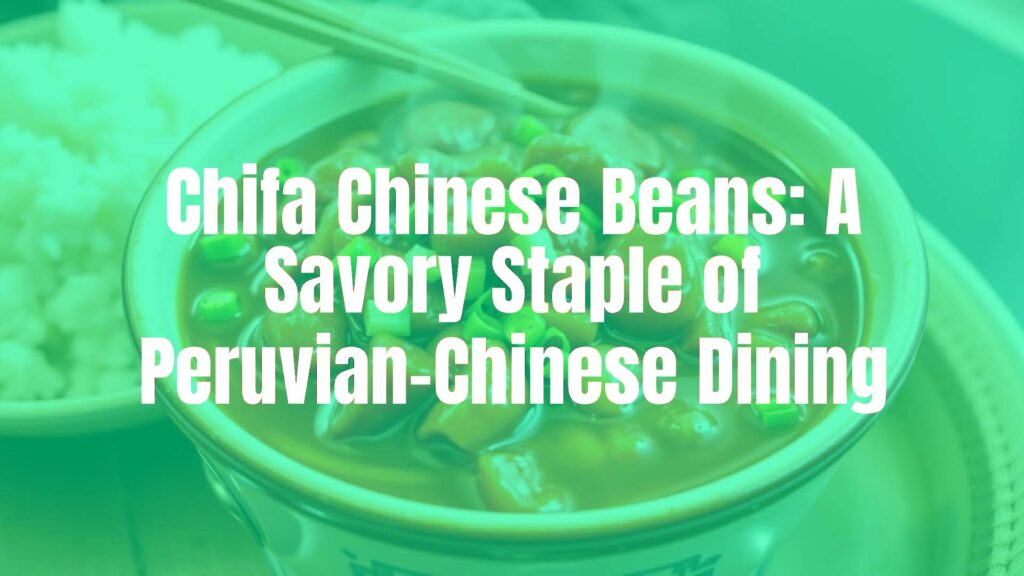
Chifa Chinese beans are generally cooked until tender, simmered with a medley of aromatics such as garlic, ginger, and onions. A touch of soy sauce imparts depth and umami, while Peruvian elements—like ají amarillo or other native peppers—add a subtle complexity and regional flair. The dish is known for its rich, savory flavor and velvety yet substantial consistency, making it both comforting and satisfying.
How Are Chifa Chinese Beans Enjoyed?
These beans are highly versatile within a Chifa meal. They may be served as a side dish alongside staple offerings like arroz chaufa (Chifa fried rice) or tallarín saltado (Chifa-style stir-fried noodles). In some cases, they form the foundation of heartier bowls with pieces of pork, chicken, or tofu added for extra protein. Chifa Chinese beans are commonly enjoyed with a spoon of steamed rice, balancing their bold, savory flavors with a milder, fluffy base.
Cultural and Social Significance
The integration of beans—a vital component of traditional Peruvian cooking—into a Chinese culinary framework reflects the spirit of adaptation and cultural exchange at the heart of Chifa cuisine. For many Peruvians, a plate of Chinese beans represents both familiarity and novelty: a dish tied to home yet imbued with global influence. It is equally popular at bustling urban restaurants and cherished home meals, embodying the communal, family-style nature of both Peruvian and Chinese dining.
Frequently Asked Questions
Are Chifa Chinese beans vegetarian or vegan? The basic preparation using beans and aromatics is vegetarian and, when made without animal products or lard, can be vegan. However, some chifa restaurants may include pork or other meats, so it’s always wise to ask or clarify ingredients.
Are they healthy? Beans are naturally rich in protein, fiber, and essential nutrients, making this dish a nutritious choice. The overall healthfulness depends on any added ingredients such as oil, salt, or meat. When prepared thoughtfully, Chifa Chinese beans can be part of a balanced meal.
How are they typically served? Most often, Chifa Chinese beans come as a warm side dish, nestled next to rice or noodles. They can also be topped with fresh herbs, a dash of soy sauce, or sliced scallions for extra color and flavor.
In Summary
Chifa Chinese beans encapsulate the spirit of fusion that defines Peruvian-Chinese cuisine. Much more than a simple side, these beans bridge two culinary worlds—providing comfort, flavor, and a delicious testament to cultural collaboration on every plate.
