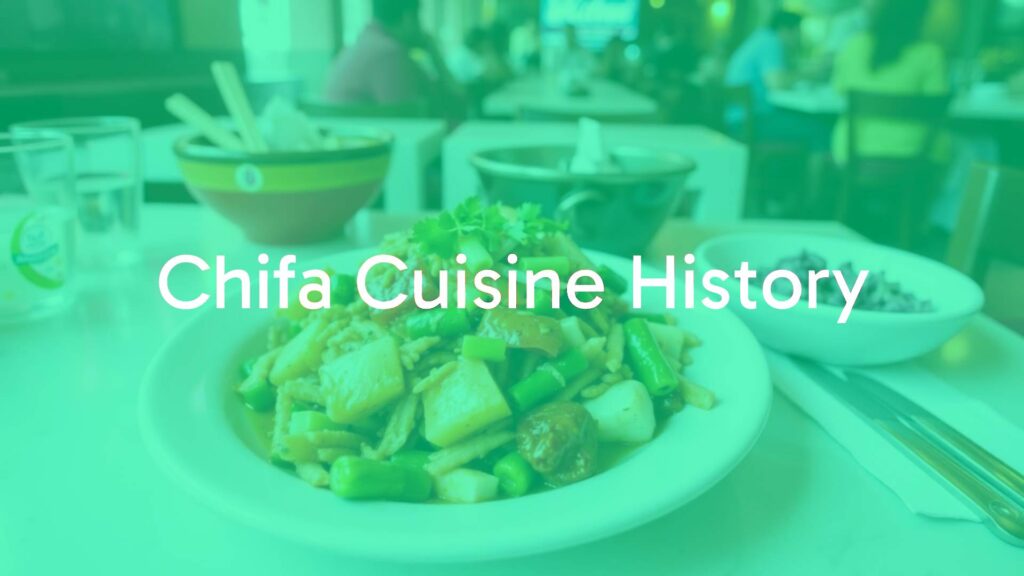
Chifa cuisine is a lively mix of Chinese and Peruvian food traditions. It’s not just about combining flavors; Chifa shows how two different cultures can come together to create a completely new way of cooking. Chinese immigrants arrived in Peru and, with limited ingredients from home, started using local Peruvian foods and their own cooking styles to invent dishes that are now favorites throughout Peru.
The story of Chifa is linked to the bigger picture of immigration and how cultures can blend. It started as a way for new arrivals to make the best of what was available and ended up creating recipes that are not only loved in Peru but are becoming known in other countries too.

What Is Chifa Cuisine?
Chifa is a special type of food that brings together Chinese cooking, especially from Cantonese traditions, with ingredients and tastes found in Peru. This style of cooking has developed for over 100 years, leading to food that feels both familiar and new at the same time. Chifa doesn’t seem forced or artificial-instead, it fits naturally into Peruvian life because it grew out of real needs and daily experiences.
Chifa makes use of Chinese techniques like stir-frying (using a wok) and steaming, mixing them with important Peruvian ingredients like aji amarillo (yellow chili), cilantro, and all sorts of local meats and seafood. The food has bold flavors-some savory, some sweet, often with a touch of spice.

How Did Chifa Get Its Name?
The name “Chifa” comes from the Cantonese phrase “sik faan” (食飯喇), which means “to eat cooked rice” or simply “let’s eat.” Another possible origin is from “ci faan” (饎饭), which means “to cook a meal.” In Lima during the 1930s, locals often heard Chinese families saying “chifan” when calling everyone to the table. Over time, this word came to mean any Chinese restaurant and eventually described the whole cooking style. This shows how much the Chinese community became a part of everyday Peruvian life.
What Makes Chifa Unique Compared to Other Fusion Cuisines?
Chifa is different from most fusion foods because it grew slowly and naturally, based on what people needed and what was available. While some fusion dishes can seem trendy or short-lived, Chifa has been a steady part of Peru for generations. It’s not just Chinese food with a few local touches-instead, Chinese and Peruvian foods have come together to make something truly new.
Most Chinese immigrants in Peru came from Guangdong and brought Cantonese cooking with them. With Peruvian foods like aji amarillo and local meats, they made dishes you don’t find in other Chinese communities outside China. Chifa is now just seen as “Peruvian food,” enjoyed by everyone across the country, regardless of background or wealth. This wide acceptance is unusual for a food with foreign roots, making Chifa stand out.
Where Did Chifa Cuisine Originate?
Chifa’s story begins with the arrival of Chinese immigrants in Peru. It didn’t appear instantly; instead, the combination of Chinese cooking and Peruvian ingredients happened slowly, as people found creative ways to cook with what they had.
Today, Peru is famous for its food, and Chifa is a big reason for this. What was once a hidden gem is now a proud part of Peru’s food culture.
The Arrival of Chinese Immigrants to Peru
The first Chinese immigrants arrived in Peru in 1849 as contract workers. From 1849 to 1874, over 90,000 came, mostly young men from the Guangdong region. They worked in tough jobs on sugar plantations, digging guano, and building railroads after slavery was abolished.

These newcomers brought their favorite foods and cooking tools, especially rice and the wok. Even when they had little, they held on to these traditions. As they finished their contracts, some opened small businesses, including restaurants, in areas like Lima’s Capón Street, which became Chinatown.
Adapting to Local Ingredients and Tastes
Chinese immigrants wanted to cook the food they knew, but many Chinese ingredients weren’t available in Peru. They started experimenting with local foods, mixing them with their familiar cooking styles. New flavors came from Peruvian foods like panca peppers, local meats, and fresh seafood. Even foods like potatoes, pineapple, and bananas started showing up in their dishes. This careful mixing of methods and ingredients led to the birth of Chifa cuisine.
Which Cultures Influenced Chifa Cuisine?
Chifa is a close mix of traditional Chinese (mainly Cantonese) food and the colorful, varied foods of Peru. Both sides brought something important, making Chifa a sign of how cultures can mix through food.
While Chinese immigrants introduced their way of cooking, Peruvian foods and habits quickly shaped many dishes, making them truly unique to Peru.
Chinese Culinary Roots: Ingredients and Techniques
- Stir-frying, deep-frying, and steaming: Key Chinese cooking techniques, always done with a wok.
- Ingredients: Ginger (“kion”), soy sauce (“sillao”), scallions, oyster sauce, noodles, and spices became fixtures in Chifa kitchens.
- The love for rice and the flexibility of the wok let Chinese cooks make satisfying meals, even with limited resources.
Peruvian Contributions: Flavors and Staples Added to Chifa
- Aji amarillo: A yellow chili that adds both color and mild heat.
- Local meats and seafood: Beef, chicken, pork, and fish from the Pacific.
- Other additions: Cilantro and fresh vegetables.
Dishes like Lomo Saltado (beef stir-fry with onions, tomatoes, and fries) and Arroz Chaufa (fried rice) are now everyday Peruvian dishes, thanks to this mix of recipes and customs.
| Chinese Contribution | Peruvian Addition |
|---|---|
| Wok cooking | Aji amarillo (yellow chili) |
| Rice, noodles | Local meats and seafood |
| Ginger, soy sauce | Potato, cilantro |
How Did Chifa Cuisine Develop Over Time?
Chifa food started from small kitchens and became a key part of Peru’s food life. This change took many years, as dishes became more popular and spread all over the country.
Chifa Restaurants: From Lima’s Barrio Chino to National Phenomenon
The first Chifa restaurants opened around 1920 in Lima’s Chinatown, called Barrio Chino. These restaurants were small and simple at first but attracted attention for their special flavors. Rich Lima residents loved trying Chaufa rice, sweet and sour sauces, and new kinds of soup. Famous early Chifas include Ton Kin Sen, Thon Po, Men Yut, and San Joy Lao, which was even known for its live music.
Chifa soon spread beyond Lima. By the early 1900s, you could find Chifa food all over Peru. Today, Lima alone has more than 6,000 Chifa restaurants, and most cities in Peru have their own Chifas-sometimes several on a single street.

Key Historical Milestones in Chifa’s Spread
- Early on, Chifa was a way for Chinese families to stay close to their food traditions, with some ingredients grown locally to make Chinese dishes taste more like home.
- As Chifa became more popular, all kinds of people started eating there-not just the wealthy.
- During Peru’s financial crisis in the 1980s, Chifa became more affordable, making it a go-to meal for people of all backgrounds.
- After the crisis passed in the 1990s, even more Chifa restaurants opened, showing how much Peruvians loved the food.
- Chifa has now spread to nearby countries and cities around the world, including the USA and Spain.
How Has Chifa Cuisine Impacted Peruvian Culinary Identity?
Chifa has changed what it means to eat in Peru. It’s no longer seen as foreign food-now, it’s just part of daily life. Its flavors and ingredients have become essential to modern Peruvian cooking, showing how two cultures can become one through what they eat.
For Peruvians, Chifa is now something to be proud of. It connects people and traditions, and it’s a big part of what makes Peruvian food special.
Chifa in Everyday Peruvian Life
- Peruvians often eat Chifa three times a week or more-at home, from takeout, or in restaurants.
- Dishes like Arroz Chaufa, Lomo Saltado, and Tallarín Saltado are seen as classic Peruvian meals.
- Chinese words for foods, like “kion” (ginger) and “sillao” (soy sauce), are now used everywhere.
- Chifa restaurants are found on almost every city block, from basic local spots to higher-end dining rooms.
Cultural Significance and Social Traditions
- Chifa is comfort food, reminding Peruvians of home, even if they have no Chinese roots.
- Many families eat Chifa together on Sundays, making it a popular meal to share with large groups.
- For “tusans” (Peruvians with Chinese ancestry-about 8% of the population), Chifa is a special link to their heritage.
- Chifa shows how new traditions can grow out of immigration and mixing cultures.
What Is the Lasting Legacy of Chifa Cuisine History?
The history of Chifa is not just about recipes or restaurants. It shows how people can adapt, create, and mix cultures through daily life. Chifa continues to inspire chefs and home cooks in Peru and other countries, reminding everyone that some of the best food comes from joining different traditions.
Chifa’s impact lives on, changing with time as more people enjoy it and make it their own.
How Chifa Set the Stage for Fusion Food Movements
Chifa started as a way to make do with what was on hand, but now it’s an early example of how different food cultures can come together. Long before “fusion” became a trend, Chifa was blending Chinese and Peruvian flavors in simple, tasty ways.
Chifa’s success has encouraged similar food traditions in other places, showing that mixing old and new ideas in cooking can be exciting and rewarding. As Peruvian food becomes better known worldwide, Chifa stands out as a shining example of this creative spirit. Its mix of sweet and savory tastes has made it popular for many, proving how powerful fusion can be.
Chifa’s Role in Celebrating Multicultural Peru
Chifa is more than a meal-it’s a symbol. It represents how two peoples, with different backgrounds, came together to create something new and lasting. Chifa can be found in homes of all kinds, across all income levels.
This mix of traditions shows Peru as a country that welcomes variety, where outside influences are blended into the nation’s identity. Chifa restaurants have also opened in cities like Miami, New York, Madrid, and Tokyo, spreading a taste of Peru’s blended culture around the world. Chifa proves that sharing food can also mean sharing stories and building understanding across cultures.